

The Luxury Travel Magazine
The Luxury Travel Magazine

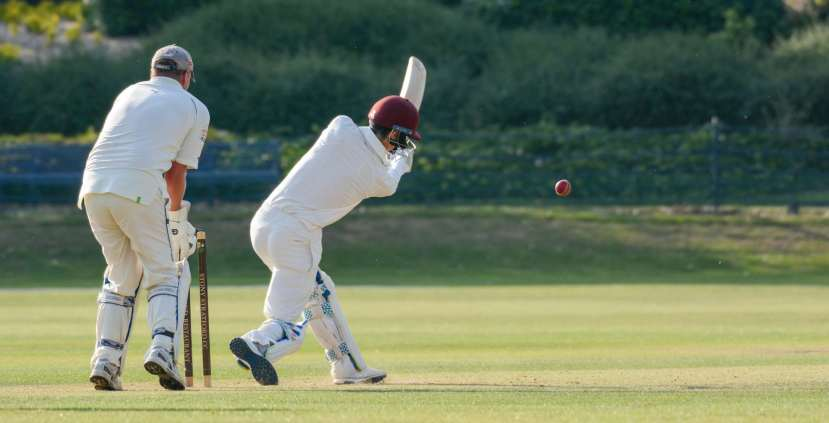

It is the responsibility of the T20 opener to make maximum use of the short powerplay without losing their wickets unnecessarily. This article sheds light on the batting techniques behind the successful T20 openers and their role in making high scores. Read further to understand how the best openers shape an innings, and watch the next powerplay with a new pair of eyes.

Only two fielders are allowed outside the 30-yard circle during the first six overs of T20 international matches. The reduced outfield provides openers with much space to hit boundaries compared to what they would normally get. In the pre-match analysis of the opening pair, some fans, who study the pair formation, choose to download MelBet app apk and compare the top-batter and powerplay run markets. There is no statistic that could ever ensure the result of a particular innings.
Openers also know that the powerplay is short, so they try to score as quickly as possible until the fielding spreads. As a rule, the run rate during the powerplay is higher than in the middle overs. However, early wickets may prevent a team from developing an innings. Therefore, a good opening pair finds a compromise between attacking and saving wickets, choosing the most dangerous bowlers for attacks and the most cautious ones for defense.
Great starters need a stable platform, steady head, and fast hands to pull through the pitch. The fans that like to gamble at the casino during the interval often open the Chicken Road game app to indulge in quick cash-out sessions. This type of gambling is luck-based, contrary to hitting which depends a lot on preparation and skill.
Footwork prepares for almost any scoring shot, including the step forward to drive and the step backward to pull. Most openers use a tiny trigger movement, such as a step back or sideways to prepare for the pace of the ball. Well-timed shots off the middle of the bat do not need much power to go far. Shot selection adds the finishing touch by finding the best way of playing a particular ball.
Most modern openers possess a number of different shots, thus enabling them to score in all directions. The bowler will try to set up his plan based on the areas of the pitch preferred by the batter. These shots are commonly used in successful powerplay innings.
Each one of these shots is most effective when used in response to the bowling plan, not simply out of habit. Openers who play only one or two shots are easier to plan against. Practice against pace machines and spin bowlers will develop these shots before the match starts.
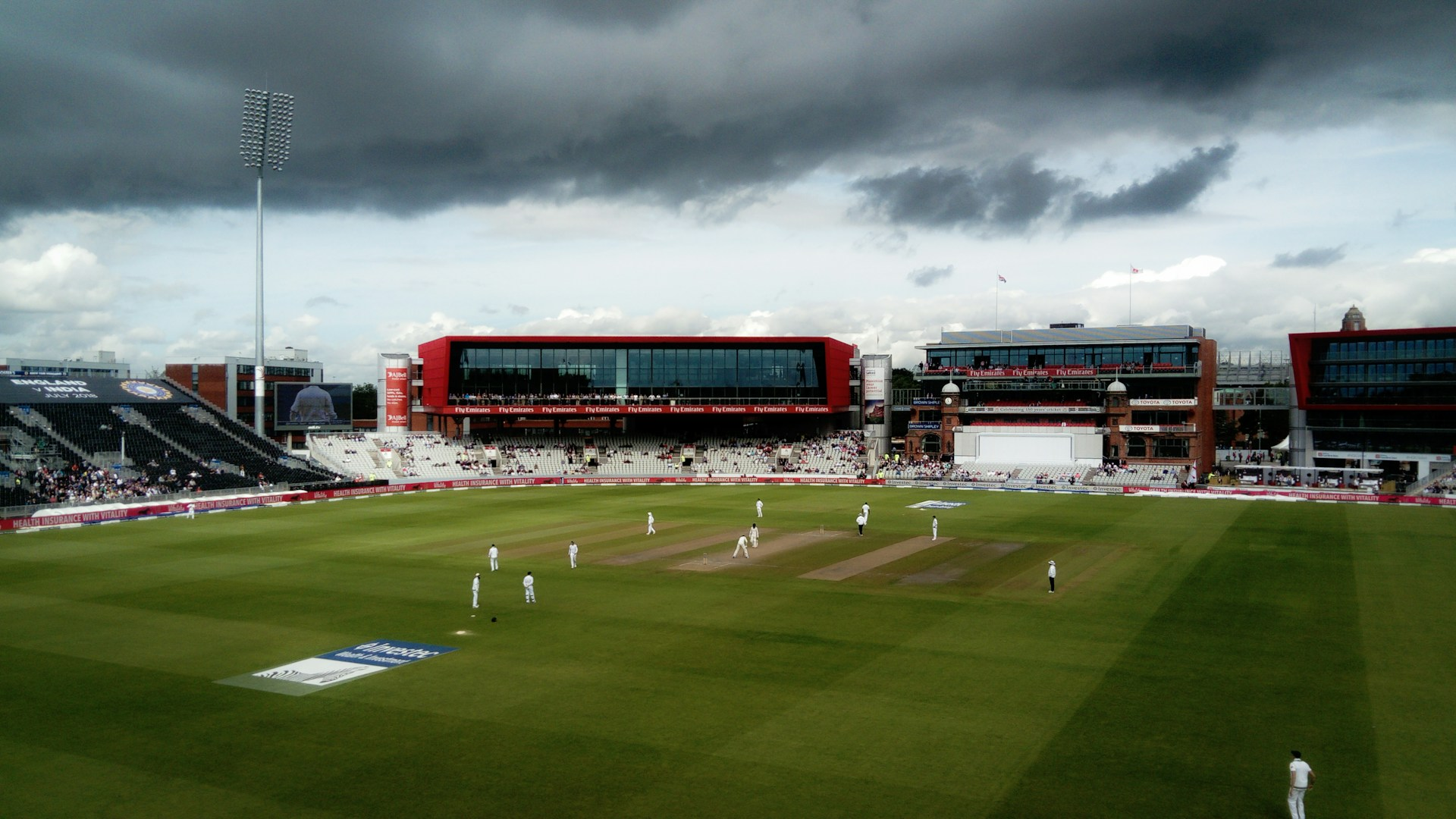
The aggressive approach has an inherent cost, which is an increased probability of being dismissed. Consequently, openers need to evaluate the pitch conditions, movement of the ball and boundary lengths before starting to attack. This kind of awareness is the hallmark of experienced players in comparison to newcomers. On slow wickets they might take a bit more balls to get going before attacking.
Mental and physical preparations are required as well, since a large score requires consistent focus under pressure. Many openers watch videos of particular bowlers and analyze match-ups to know their deliveries better. However, cricket is an unpredictable game, and even a great opening batsman can be dismissed in the first overs. It becomes especially apparent when observing a comeback of the team after losing an opener early in the game.

An ideal T20 opener combines the right application of powerplay, proper footwork, accurate timing and a variety of shots. They will take some risks, but will read the conditions and adapt to them if needed. This combination of patience and aggressiveness will distinguish a quick cameo from a match-winning innings. Next time when watching a match, pay attention to the first six overs.