
The Luxury Travel Magazine
The Luxury Travel Magazine
This year, Notting Hill Carnival turns sixty. That is worth sitting with for a moment before we get to the costumes and the bass bins, because sixty years is not a number many grassroots community events, let alone ones born out of protest against racial violence, ever get to reach. Once a year, for two days at the end of August, a corner of west London becomes a vast celebration of Caribbean culture, music and community that draws people together from across the city and far beyond. The streets of Notting Hill, normally quiet residential roads lined with stucco terraces, are draped in flags, fringed in feathers, and shaken by bass that you feel in your sternum before it ever reaches your ears. This is Notting Hill Carnival, and it is, without argument, one of the most prominent Caribbean cultural events on the calendar anywhere in the world.
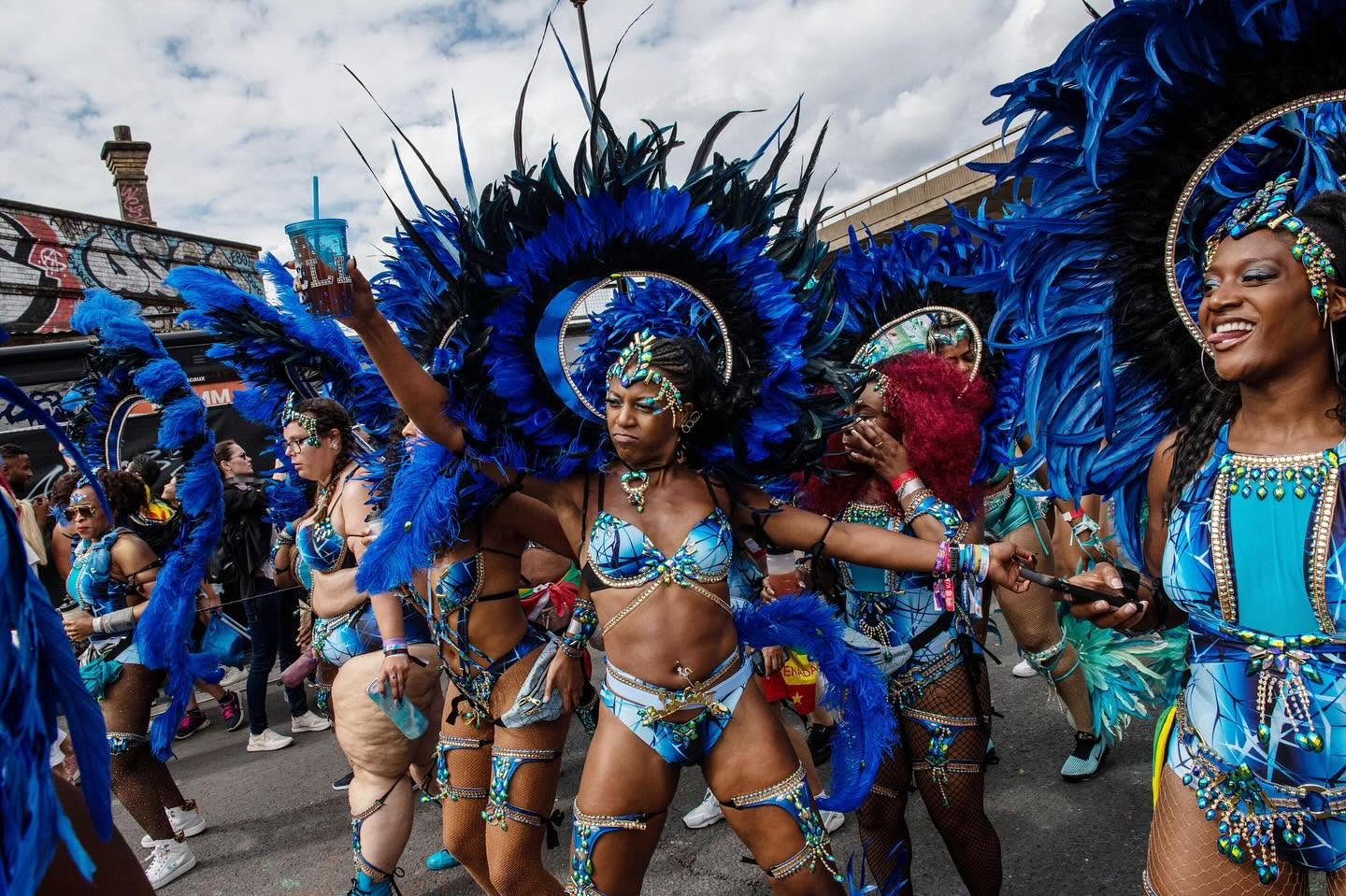
To call it a street festival undersells it. It is Europe’s largest street festival, full stop, and it rivals the great carnivals held in Toronto and Trinidad itself. Similar celebrations exist right across the Caribbean and its diaspora, each carrying its own name and its own meaning: Crop Over in Barbados, a celebration of the sugar harvest; Junkanoo in the Bahamas, tied to the New Year; and various Mardi Gras influenced traditions elsewhere. Whatever the name, the underlying idea is the same: celebrating Caribbean culture and bringing people together. In London, that idea has grown well beyond the Caribbean diaspora it was built for. You see Londoners of every background, visitors from Latin America, and travellers who have come from across the world, some for the culture and tradition, others simply for one of the biggest street parties in Europe.
For a city like London, so often characterised by its reserve, Carnival is an annual reminder that the place has another gear entirely: loud, joyful, and unapologetically communal. Over two million people pass through the streets of Notting Hill and the surrounding wards each year, and the benefit to the city goes well beyond the spectacle. It is a cultural institution that has, over six decades, become as central to London’s identity as anything on the tourist trail.
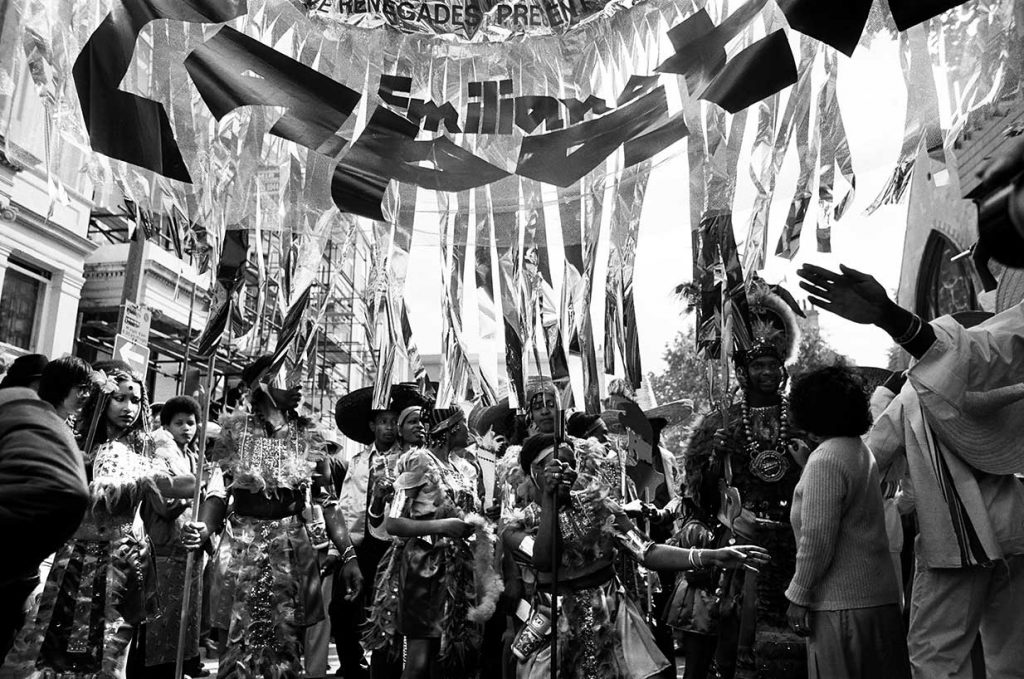
The story of Notting Hill Carnival does not begin with a parade. It begins with a response to hatred. In the late 1950s, the Caribbean community that had settled in west London, drawn there in the years following the arrival of the Empire Windrush in 1948, faced open racial hostility that boiled over into the Notting Hill race riots of 1958. White mobs attacked Black residents over several nights, and the wounds it left on the area’s Caribbean population ran deep. https://nhcarnival.org/
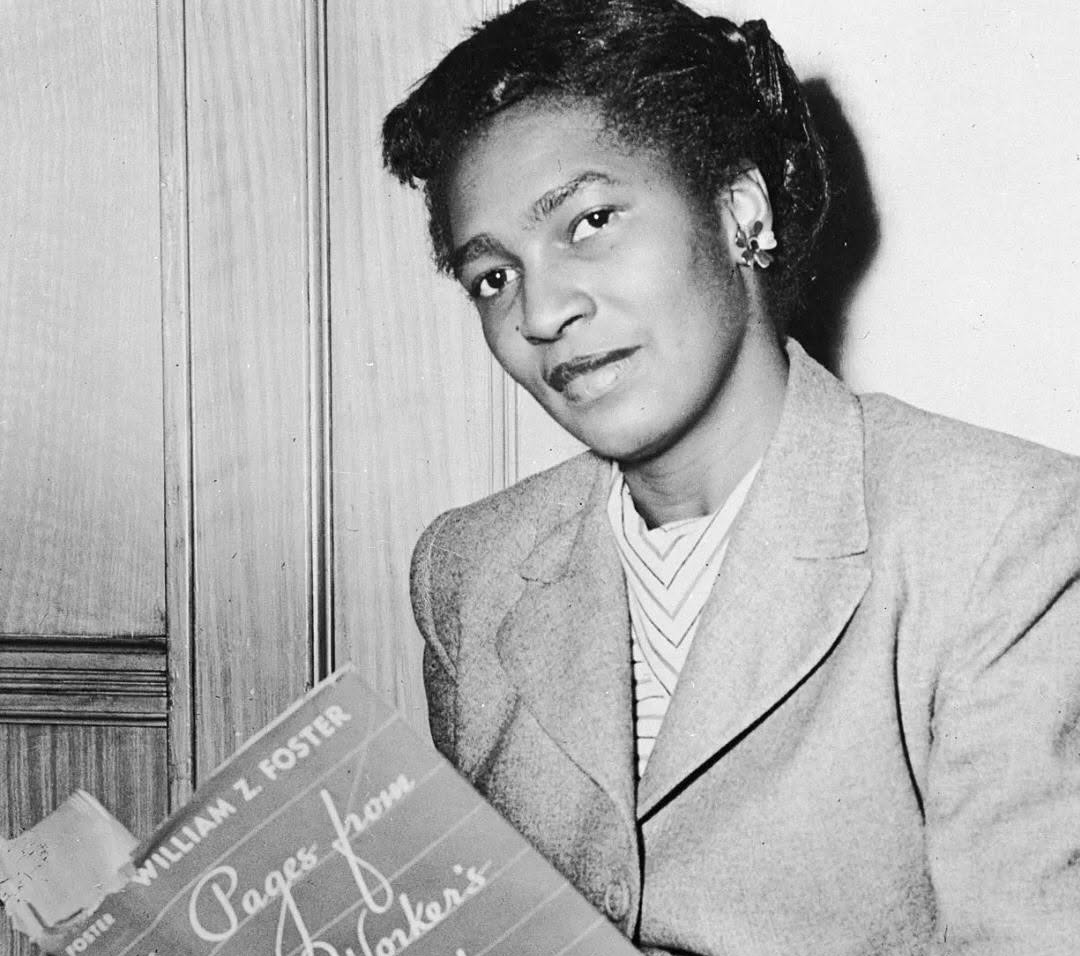
Claudia Jones, a Trinidadian born journalist and activist who had already made her name founding Britain’s first major Black newspaper, believed the community needed a way to reclaim its dignity and its joy in public. In January 1959 she organised an indoor Caribbean carnival at St Pancras Town Hall, broadcast on the BBC, as a direct answer to the violence and the despair that had settled over the neighbourhood. That indoor event is generally regarded as the root of what would grow into Carnival as it exists today.
The outdoor version, the one that spilled onto the streets of Notting Hill itself, is usually credited to a separate initiative a few years later, led by community organiser Rhaune Laslett, who wanted to bring together the different communities of the area, Caribbean, Irish, English, and others, through music and costume rather than confrontation. By 1966 there was a procession through the streets, and steel bands soon followed. What started as a local fete for a few thousand people grew, decade by decade, into the sprawling, multi-stage, multi-million-pound event it is now, roughly six decades old and still growing.
Sixty years is the real headline here, and it deserves to be treated as one. Most events built out of a community’s response to hatred do not last six decades; they get absorbed, defunded, priced out, or quietly allowed to fade once the immediate wound has healed. Carnival has done the opposite. It has survived funding crises, policing rows, weather that has occasionally verged on biblical, and a running chorus of politicians and commentators calling for it to be moved, shrunk, or shut down altogether, and it has done all of that while continuing to grow, year on year, into the largest street festival on the continent. That it has managed to hand itself down intact from one generation to the next, so that the grandchildren of the people who marched behind the first steel bands in 1966 are now the ones building the costumes and running the sound systems, is arguably the most remarkable thing about it. Six decades in, Carnival has not just survived; it has become permanent, and that permanence is itself the achievement.
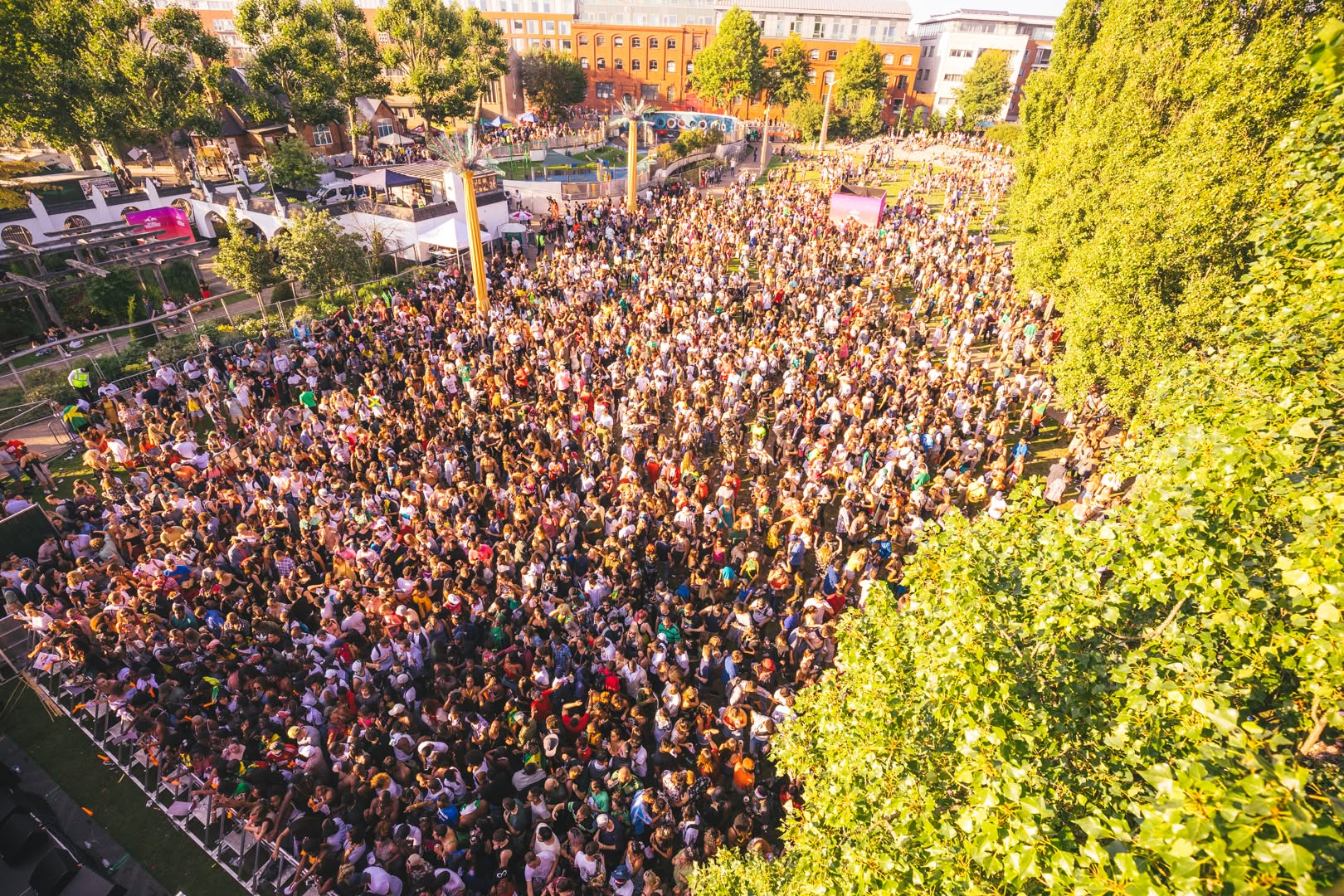
For anyone who has never been, the sheer scale of Carnival can be disorienting. It is not one event; it is a constellation of them, spread across two days, dozens of streets, and more than thirty static sound systems, plus the mas bands and their masqueraders working their way along the parade route. One detail that surprises first-timers: the majority of it is free. Beyond food, drink, and the odd private ticketed party, the parades and most of what happens on the streets cost nothing to watch, which is a large part of why two million people show up.
The music underneath all of it is overwhelmingly Caribbean: soca and calypso out front, reggae and dancehall running just beneath, steel pan threaded through both. . Alongside the parade and the pan, Carnival’s calypso tradition gets its own showcase in the Calypso Monarch Finals, staged at The Tabernacle in the week leading up to the weekend by the Carnival Village Trust and the UK Calypso & Soca Collective, a reminder that calypso, soca’s older, wordier cousin, is still very much alive here rather than a museum piece.
However, Soca carries the day, fast, percussive, built entirely for movement, and this year that meant heavy rotation for tracks like Machel Montano’s “Encore” out of Trinidad and Tobago, and Lil Kerry’s “Mayhem” out of Grenada’s Spicemas, alongside whatever else a given sound system’s regulars had been waiting all year to hear.
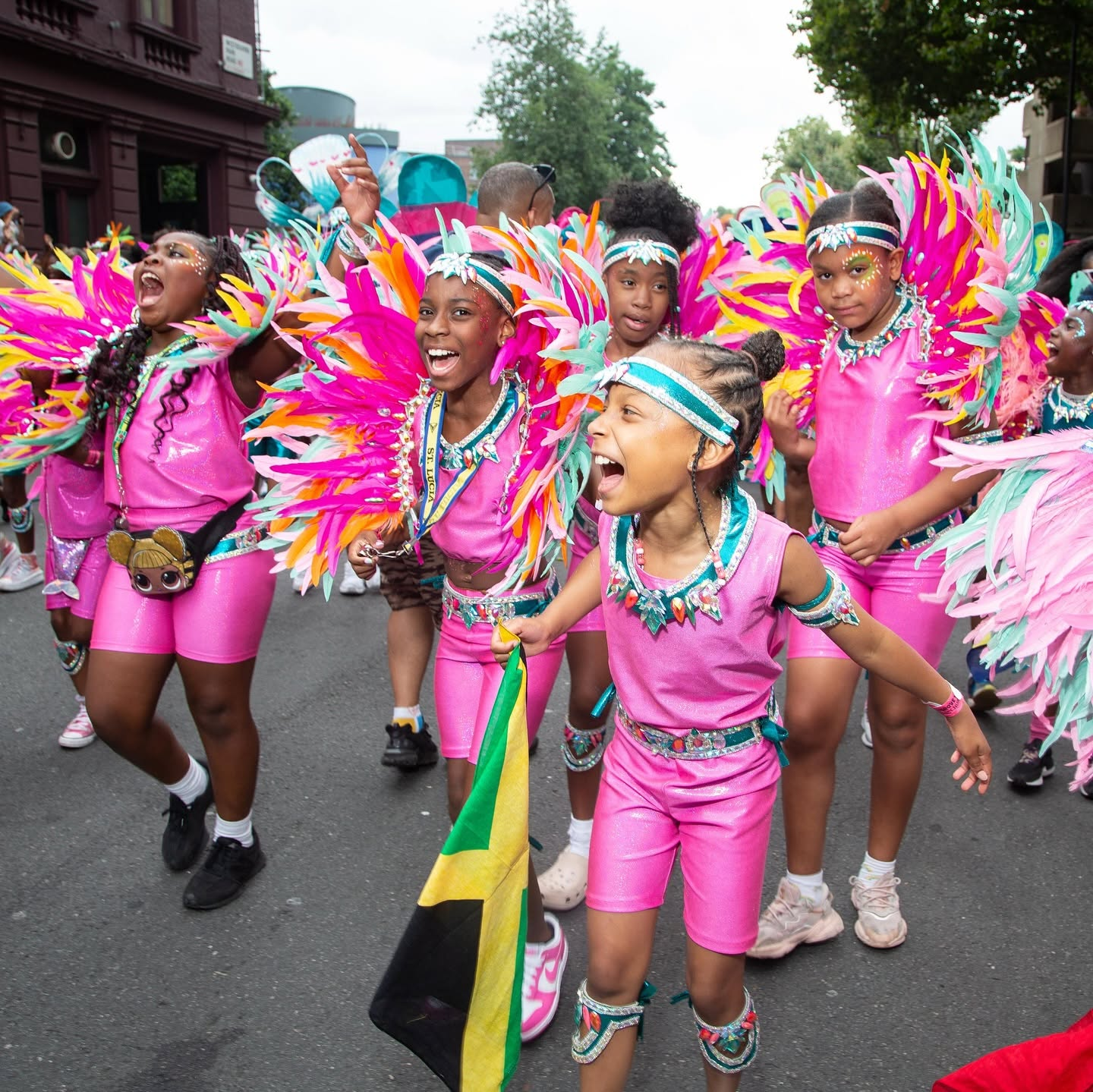
Carnival proper opens on the Saturday and Sunday with Children’s Day, where the next generation of the culture is not just present but centred. Young people, from the very youngest up to around fifteen or sixteen, dress in scaled down versions of the costumes their parents and grandparents will wear on the main day, and compete to be judged in their own right. It is a reminder that Carnival is not simply a party that reappears once a year; it is a tradition being actively passed down.
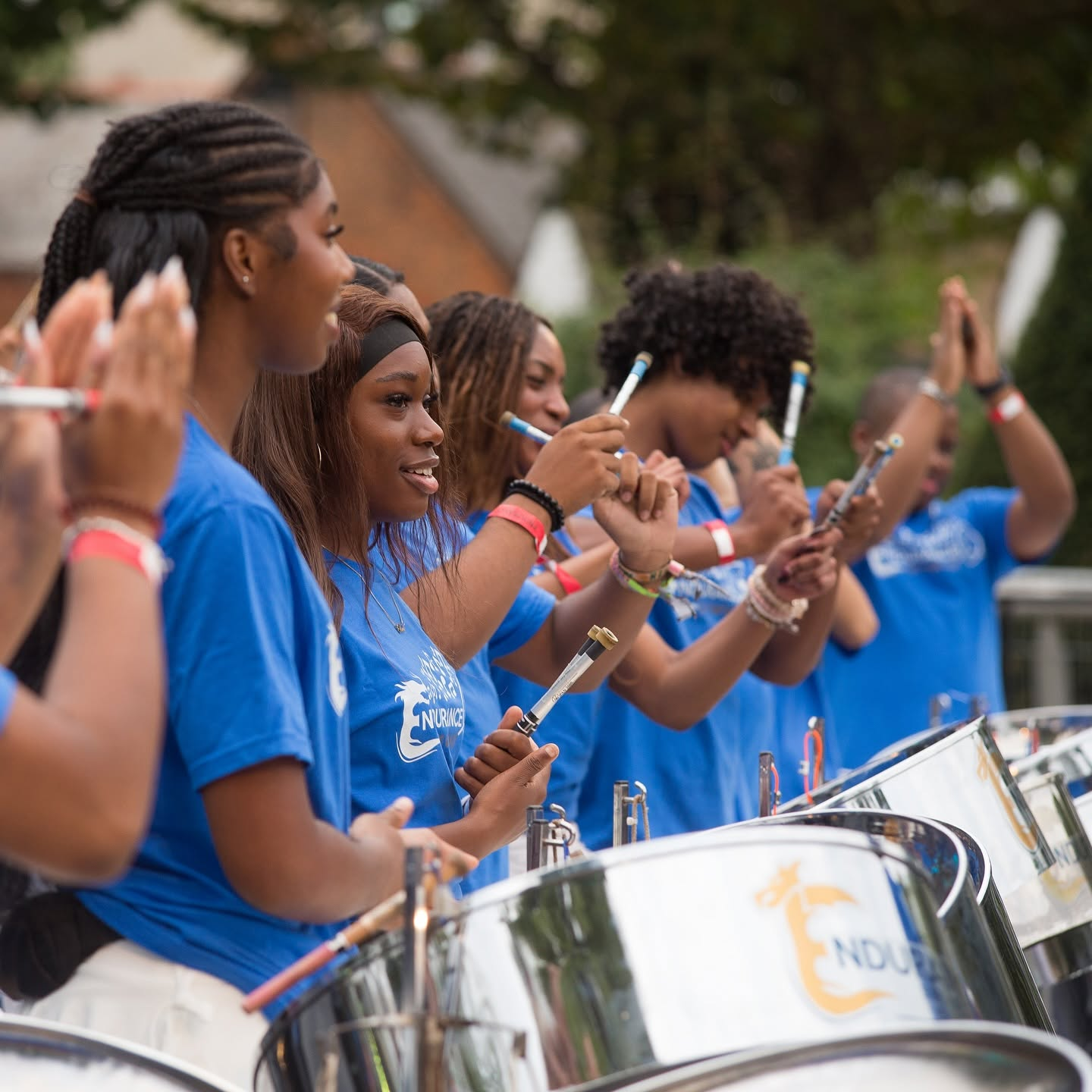
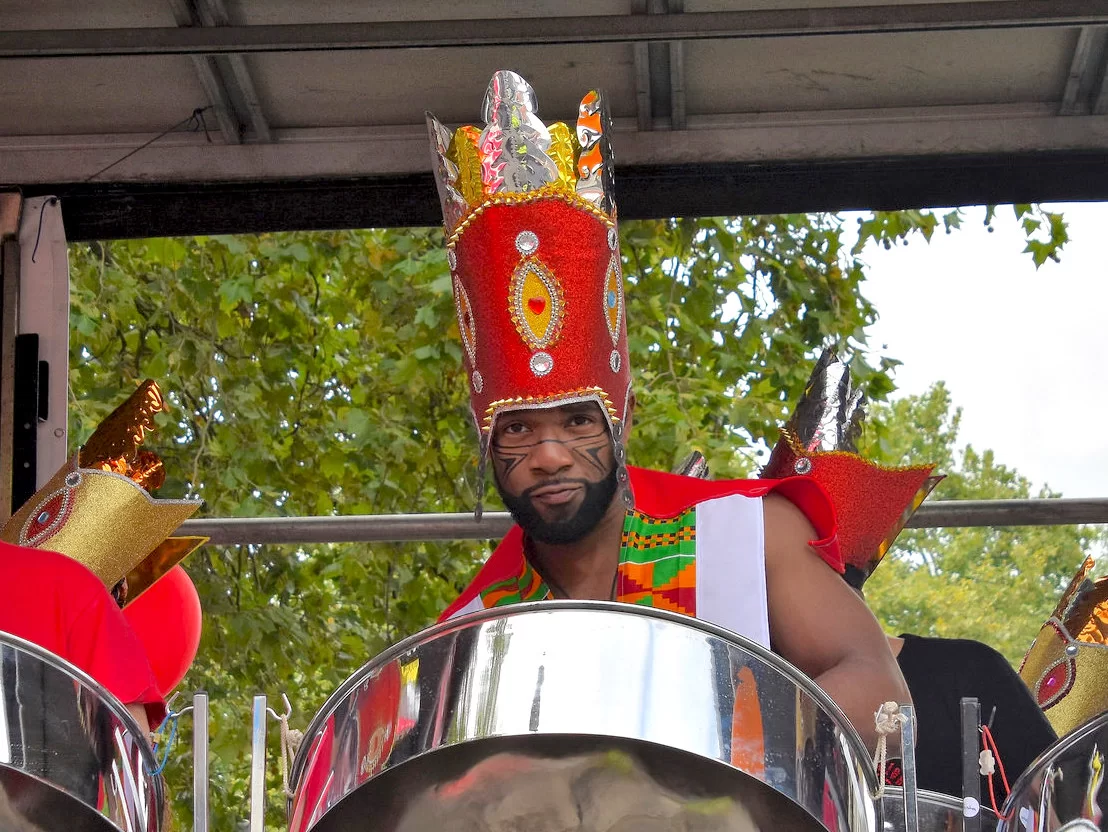
Steel pan is the instrument most people associate with Caribbean carnival, and rightly so; it was invented in Trinidad, largely by communities who had been priced and legislated out of other forms of musical expression, and it remains one of the only acoustic instruments invented in the twentieth century. Notting Hill’s pan competition, known as Panorama, brings together steel bands from across the UK, some with decades of history and rehearsal discipline that would put many orchestras to shame. Watching forty or fifty players moving as one instrument is one of the most purely impressive things you will see at Carnival, and it rarely gets the attention the mas bands and sound systems do.
This year’s Panorama, held on the Saturday before the main weekend, went to Ebony Steelband, who took the UK National title for the twenty-fifth time, an arrangement of Voice’s “Cyah Behave” put together by Ojay Richards, and in doing so knocked defending champions Mangrove off the top after a rare year away from the podium. Reel Steel and Metronomes shared third. In the small band category, New Generation Steel Orchestra and Pan Nation Steel Orchestra finished dead level and were crowned joint champions, while Junior Panorama went to Endurance Steel, ahead of Ebony Juniors and Croydon Steel. Watching that title change hands after Mangrove’s long run at the top is exactly the kind of detail that gets lost in the noise around Carnival weekend, and it is precisely the sort of thing worth knowing before you stand in that park and hear forty pannists lock into a tune together.
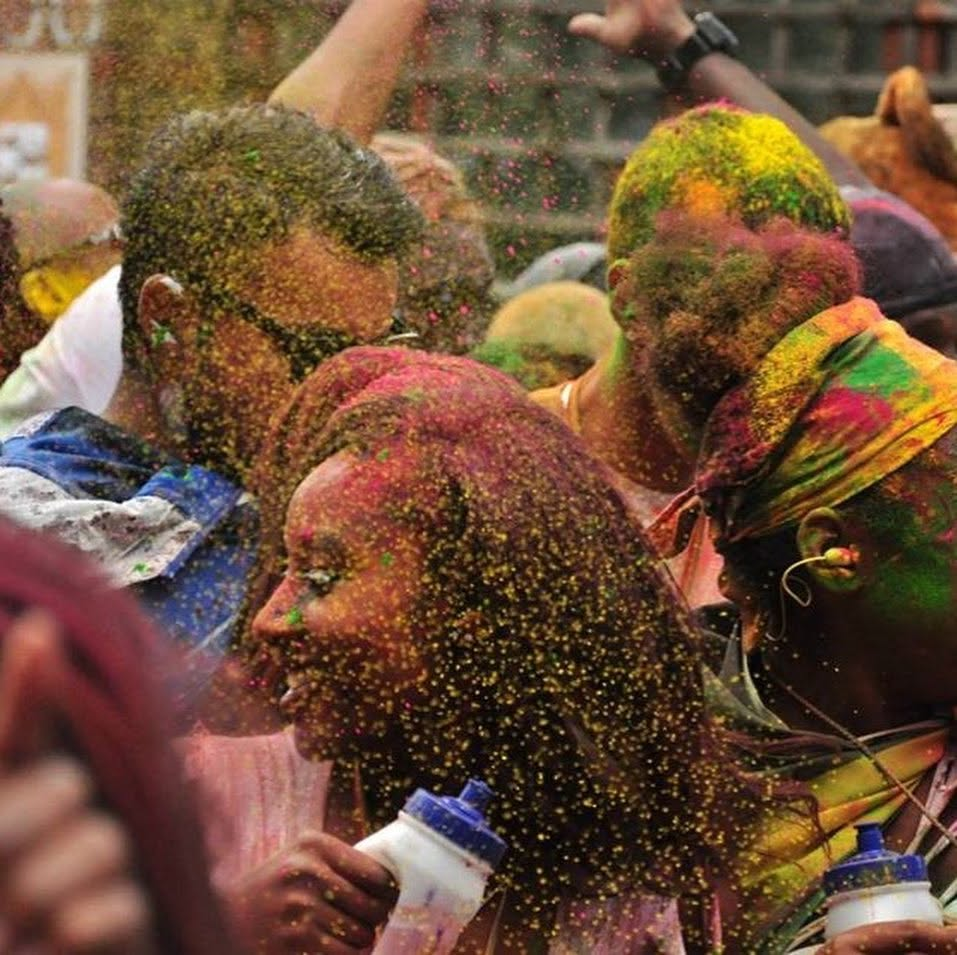
J’Ouvert, is one of the most exotic and genuinely fun parts of the weekend if you have never seen it before. It starts in the dead of night, usually around four in the morning, and runs through to eight or nine, an all-night street party that spills straight into dawn. It leads directly into Dutty Mas, where powder and coloured paint are thrown liberally over costumes and bodies alike. To an untrained eye it can look simply like people getting filthy, but nothing about it is accidental; the colour is the point, rooted directly in the Trinidadian tradition of using dirt and disguise to shed inhibition.
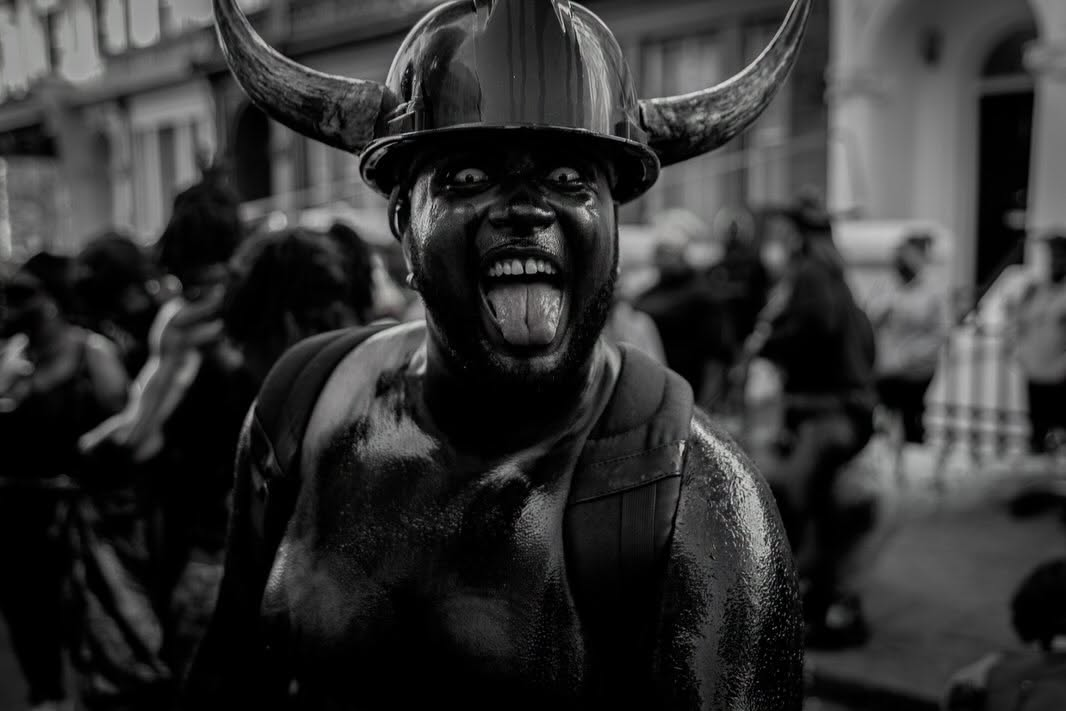
Within that same tradition are the Jab Jab groups, originating in Trinidad and Grenada, whose members dress in horns and helmets and cover themselves head to toe in black engine oil. They are quite a sight coming down the street, genuinely daunting if you are not expecting it, and best watched from a small distance if you would rather not join them. It is all part of the fun, the party, and the revelry.
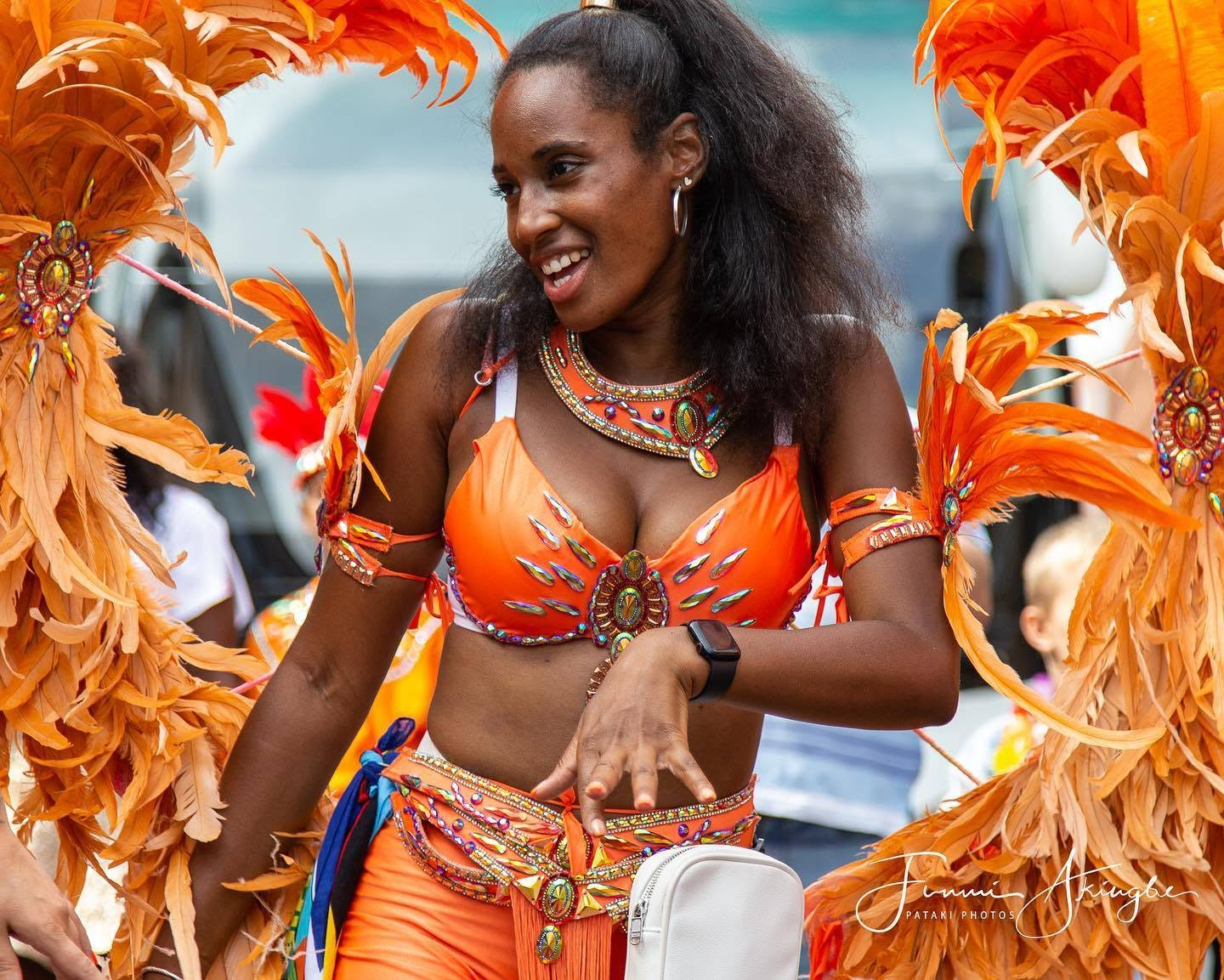
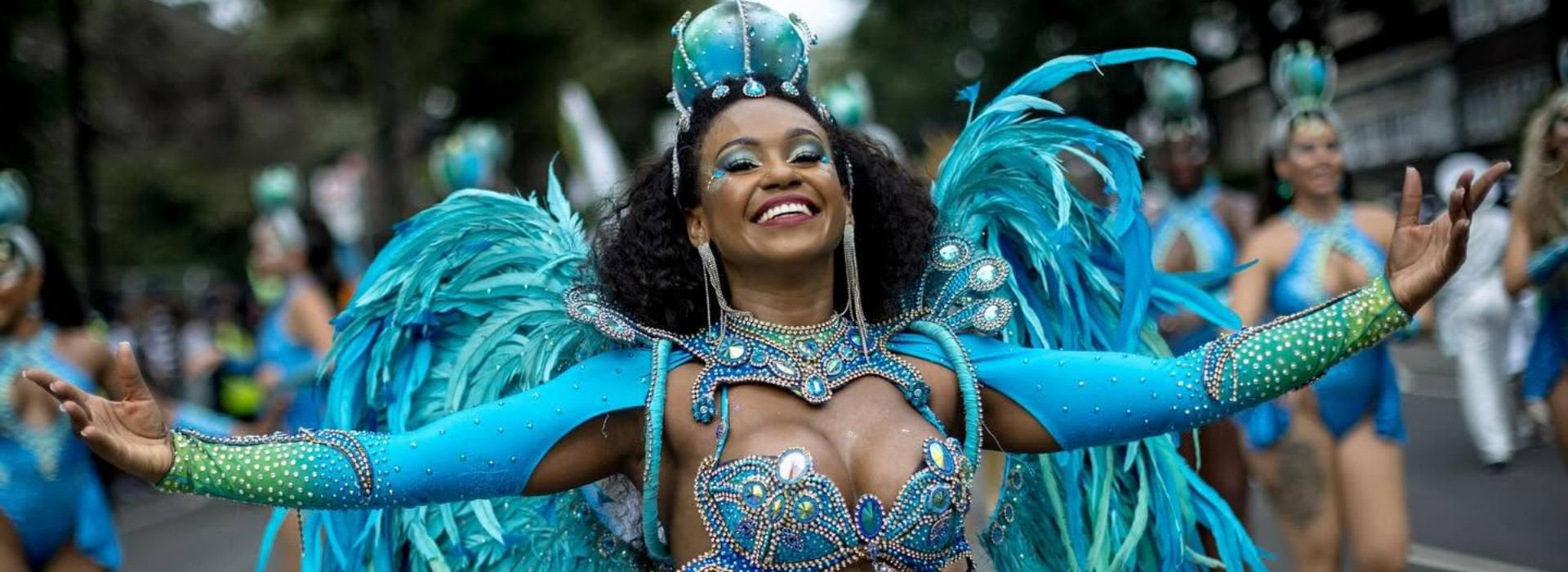
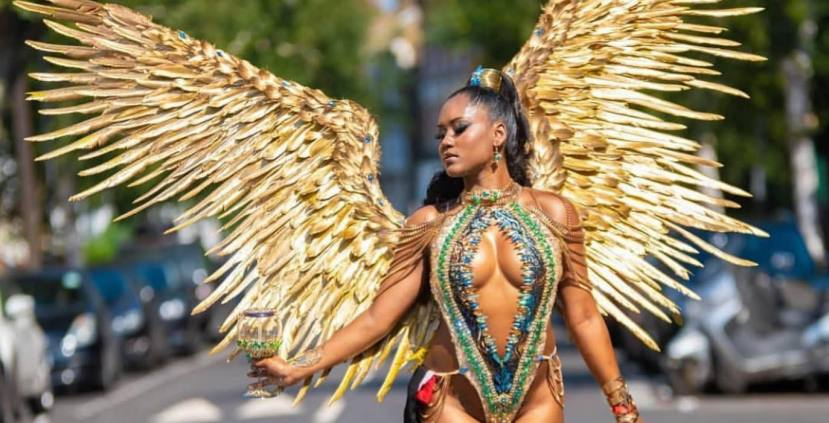
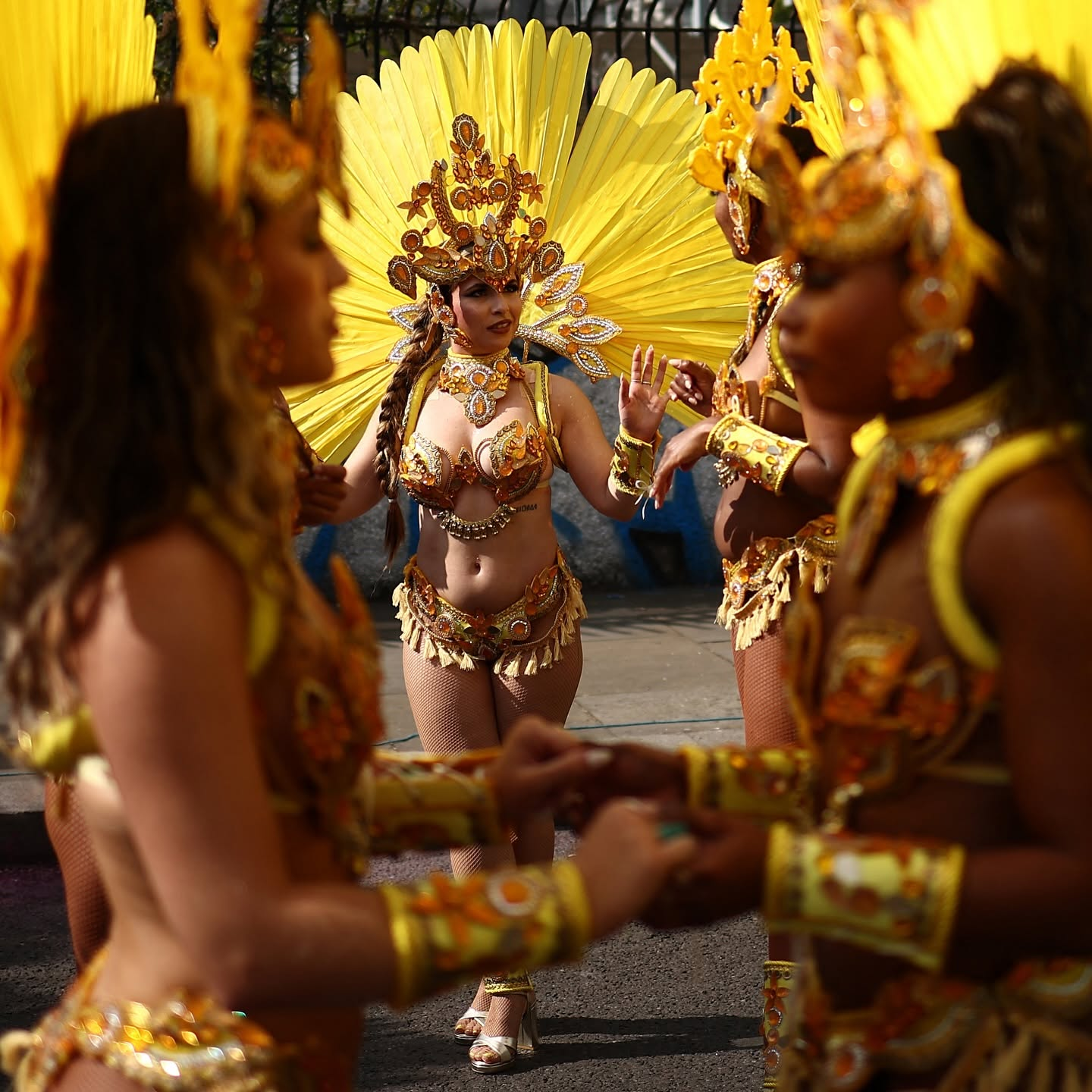
The main event, the adult Carnival competition, is where the costume artistry reaches its most spectacular. Both men and women take part, though the women’s costumes tend to draw the bulk of the attention; the tradition has been visibly influenced by Brazilian Carnival, with a great deal of skin on display alongside feathers, rhinestones, sequins, and colour, one costume more elaborate than the next. None of it is thrown together at the last minute. Bands and individual masqueraders often start work on the following year’s costume almost as soon as the current one finishes, and the amount of time, creativity, and craftsmanship involved is easy to underestimate from the pavement.
Bands move along the parade route and pass in front of the judges, who score them on a range of criteria. Many will pay the fee and join a particular mas band and follow its truck through the streets for the day, often with drinks included, dressed in the band’s colours alongside friends who have signed up together, effectively building your own moving party as you go.
Monday’s Grand Finale works differently. Notting Hill has never crowned a single “band of the year” the way Trinidad’s own carnival does; instead, every registered mas band is marked by an official panel at a fixed judging point on Great Western Road, and results tend to surface band by band on social media rather than get read out from one stage. In practice that means the spectacle isn’t really a countdown to one winner, it is dozens of bands, each fully committed to its own theme, competing as much against their own ambition from the year before as against each other.
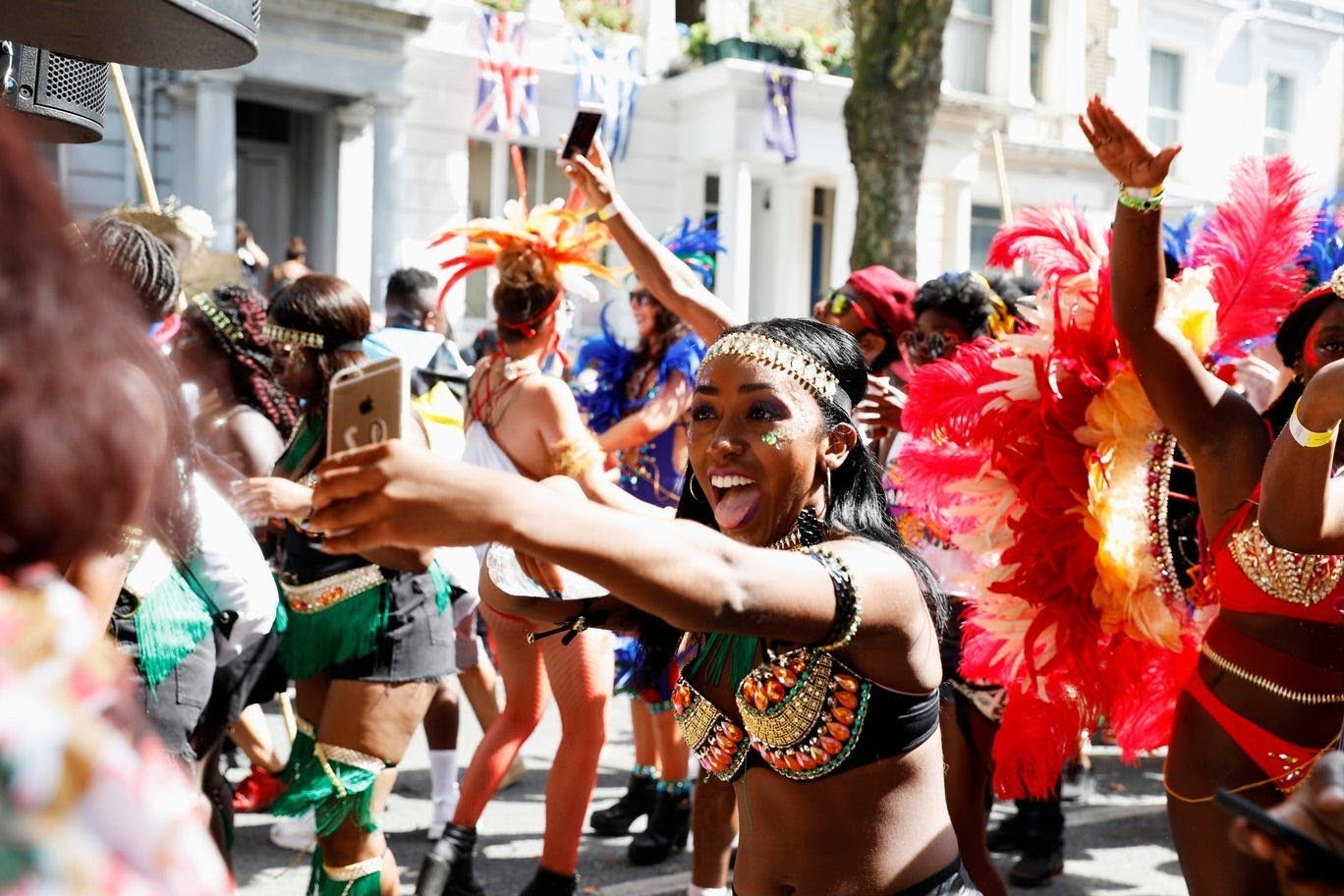
This year’s parade ran the full range: plenty of Brazilian-influenced “pretty mas,” heavy on feathers, rhinestones and bikini-cut costumes with a great deal of skin on show, alongside more conceptual work, including one band’s “Ocean Wonders” theme, its sections named Chrysaora, Corallium and Triton, each built around a different creature of the deep and rendered entirely in wire, feather and sequins. None of it happens overnight; work on next year’s costumes for some bands starts almost as soon as this year’s have paraded past the judges.
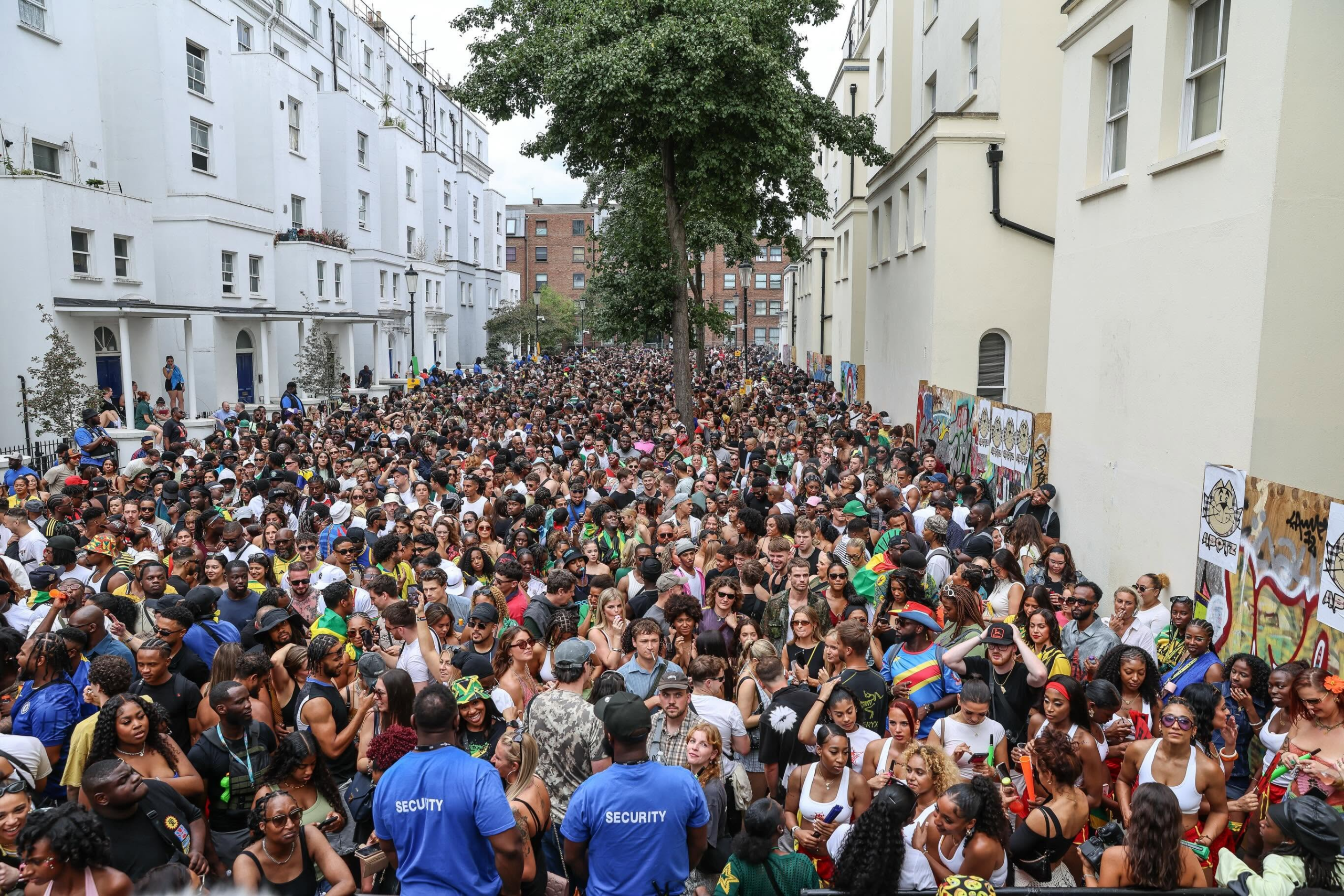
Once the formal judging is behind them, the parade gives way to something looser and far more spontaneous, and that is when the sound systems take over. Some are mobile, mounted on the trucks and trailers that lead the mas bands themselves, turning the parade into a rolling concert. Others, around thirty of them, are fixed in place for the full weekend, each with its own personality: some lean toward reggae, some toward soca, some blend soca with contemporary UK dance music, and at least one favours live jazz. That range is part of what makes Carnival so hard to get bored of; you can walk two streets and land in a completely different sound and a completely different crowd.
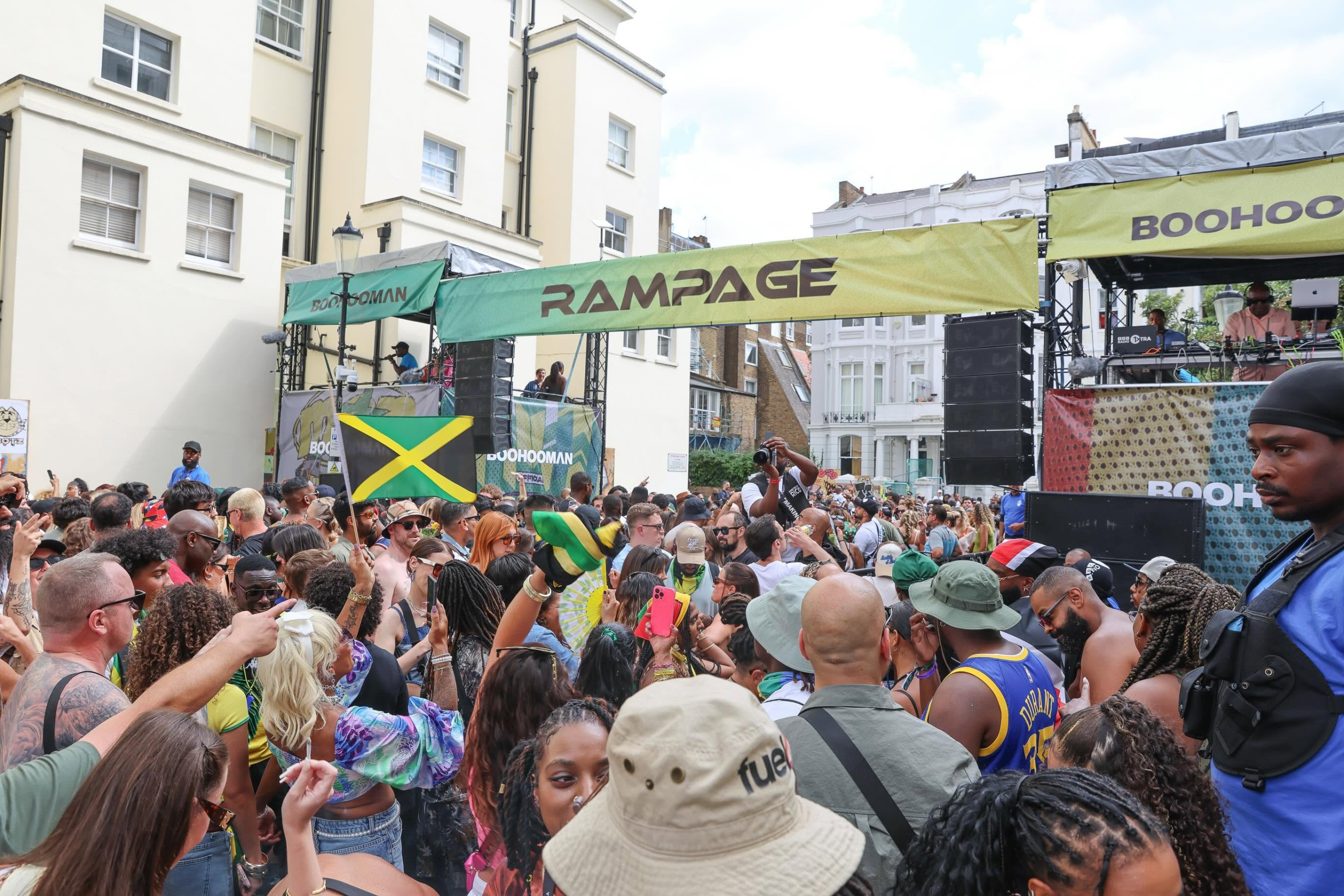
Rampage is one of the UK’s best-known sound systems, with roots stretching back to London’s reggae and dub sound-clash culture. Founded by Mike Anthony in 1992, the crew has built a career spanning music, broadcasting and club culture, including 15 years with the BBC and major shows and tours around the world. At Notting Hill Carnival, Rampage is the largest static sound system, drawing crowds of more than 15,000 and becoming the only static system in Carnival’s history to have an entire street to itself. In 2025, Craig David joined the Rampage line-up, adding another major name to a roster that has included Sean Paul, Shaggy, Stormzy, Dizzee Rascal and General Levy, while the sound continues to give a platform to emerging UK talent.
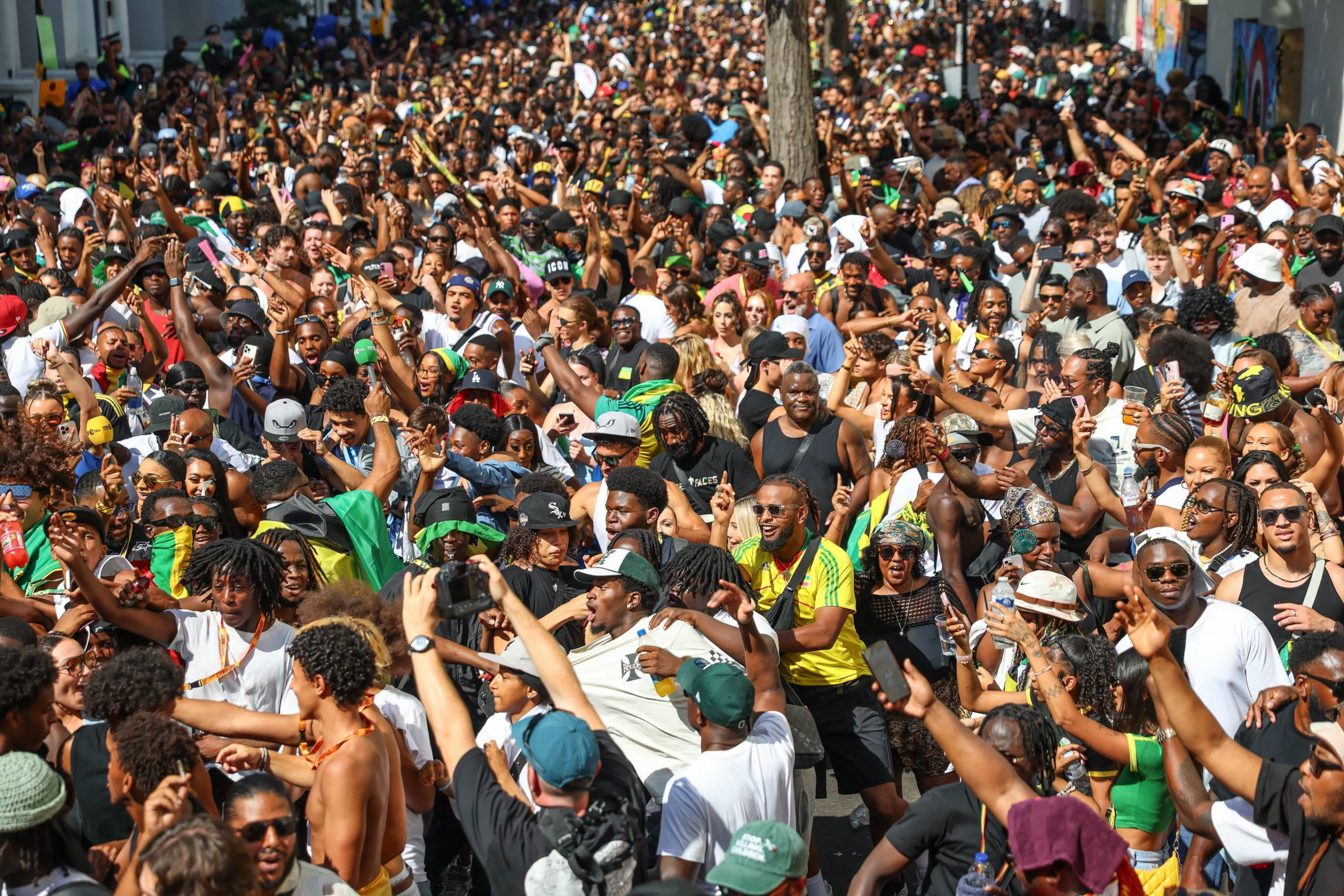
My own favourite sits in Powis Square, facing Hedgegate Court, officially listed on the Carnival map as Disya Jeneration but known to most of the crowd by its subtitle, Rave in the Park. It is run by veterans of the UK’s pirate radio era, the generation that broadcast illegally from tower blocks and back bedrooms long before dance music had any kind of mainstream home, and that background shows in everything about the rig. They start building it the week Carnival finishes and spend the entire year refining it, so that by the time Carnival comes back around the sound is not just loud, it is engineered: you feel the pressure wave across two full city blocks before the melody even registers. It is difficult to say definitively which sound system in Carnival is the most popular, but once this one starts, you understand exactly why people come back to it year after year. The mix is a relentless collision of UK dance bangers, soca, and heavyweight reggae bass, leaning hard into Trinidadian and Eastern Caribbean carnival tradition, and the energy is off the meter. It is a bacchanal fete worthy of the name.

The two-day weekend is only the visible peak of something that builds for an entire week beforehand. Parties, concerts, boat parties, and cultural events run in the lead up, celebrating the music and traditions long before the streets close for the parade. Among the highlights for longtime revellers is a chance to see Allison Hinds, the Queen of Soca and one of the great figures in Caribbean music, who performs several concerts across Carnival week. For anyone who has followed her career, catching her live and up close is one of the quiet perks of the week that gets far less attention than the parade itself
Carnival is not without its critics, and some go as far as dubbing it “Notting Hell.” The complaints centre mostly on crime and disruption, and the figures are worth a quick look, if only to put them in proportion. This year saw just over five hundred arrests, though roughly a hundred of those came from facial recognition flagging people wanted for unrelated, prior offences rather than anything done at Carnival itself. There were 147 drug related arrests, about seventy per cent of them for marijuana, and 21 sexual assaults, which are genuinely serious and connect to a real cultural issue around “wining,” the close hip-to-hip dancing at the heart of Caribbean carnival, where unwanted contact from behind can cross a line the culture still needs to police better. Violent crime was rarer still: 4 arrests for battery with injury. Set against two million attendees across two days, none of this suggests an event out of control, whatever the headlines the following week might imply. There’s obviously something more insidious going on here.
As for residents boarding up their windows, it is worth remembering Carnival has run in Notting Hill for roughly sixty years; anyone who has since moved into what is now one of London’s most fashionable postcodes has moved next door to something that predates them and the regentrification of the area by decades, in much the same way nobody who lives near Wimbledon gets to complain about the tennis, or near Ascot about the racing.
Strip away the noise and what is left is one of the great success stories of London’s cultural life. Carnival generates well in excess of £450 million for the London economy each year, from hospitality and transport to the informal economy of food stalls, costume makers, and sound engineers who spend their year building toward this one weekend. It draws around two million visitors, making it not just the largest street festival in Europe but one of the largest of any kind on the continent, full stop. For a city that spends much of the rest of the year selling itself on royal pageantry and museum culture, Carnival is the one weekend where London’s Caribbean heart, arguably one of the things that has shaped the city’s music, food, and language more than almost anything else, gets to run the show entirely on its own terms.
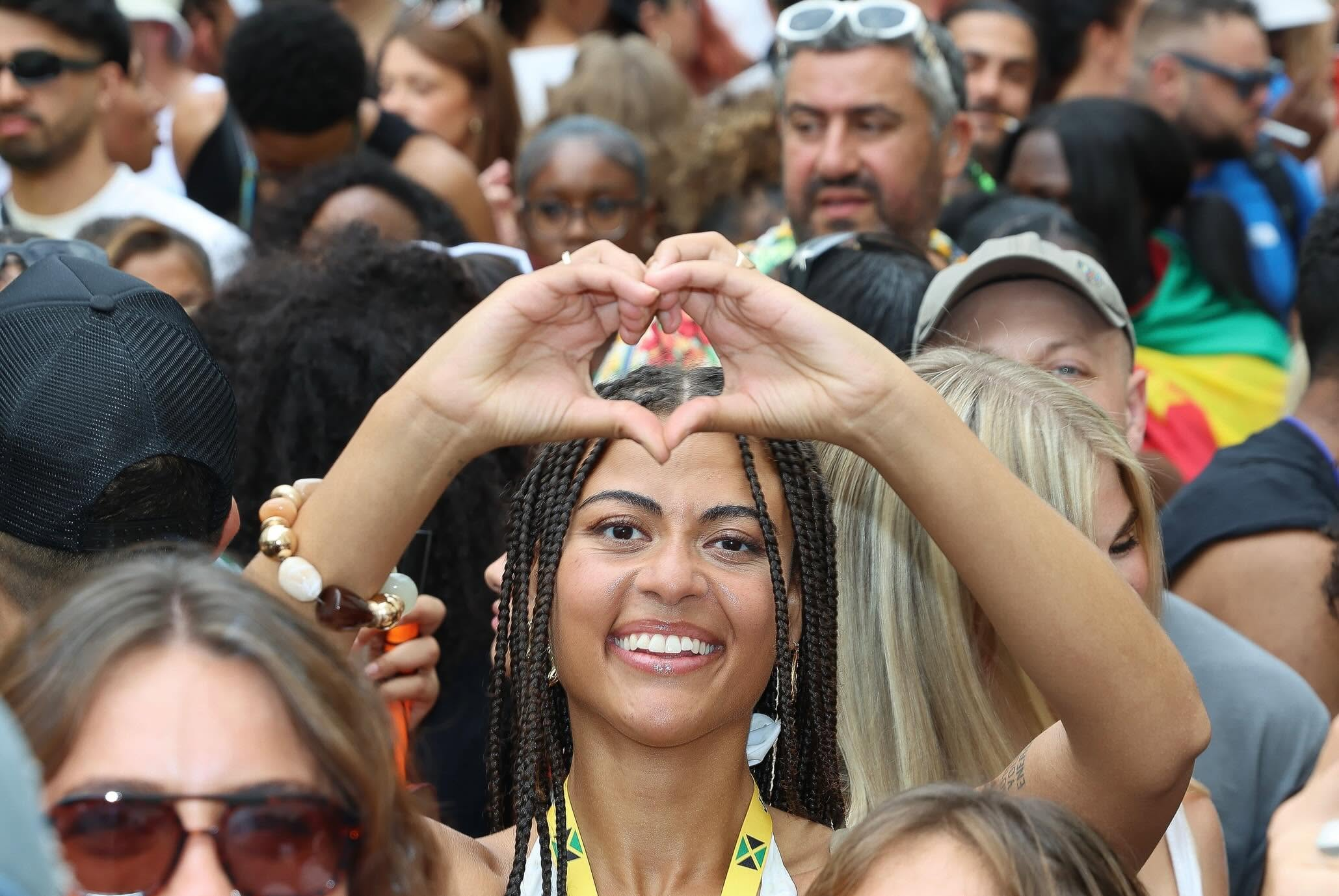
Notting Hill Carnival is, ultimately, one of those things that if you get it, you love it completely. I am firmly, unreservedly in that camp. Every August, I will take the bass over the quiet, the mud over the manicured, and the joyful chaos of Powis Square over almost anything else London has to offer. Sixty years on from a handful of people trying to answer hatred with joy, that music is still doing exactly what it was always for, turning constraint into voice and pushing it out through the streets at a volume nobody nearby can ignore, and that chaos is still standing, still growing, and still entirely worth celebrating.