

The Luxury Travel Magazine
The Luxury Travel Magazine


Luxury travel is intended to be smooth, with first-class cabins, private shuttles and five-star suites. The irony is that the prominence that heralds a premium vacation also makes it a more tempting target. Not for pickpockets, but for more sophisticated attempts: social engineering, account takeovers, location exposure and the sorts of scams that expressly target those who travel frequently and expensively.
When it comes to travel safety essentials for this type of traveller, it’s not the typical advice. It’s not so much about keeping your wallet out of your front pocket as it is about what happens to your accounts, your schedule, and your digital footprint when you’re on the road.

The digital imprint of luxury travel is big. Hotel loyalty programs, airline memberships, concierge apps, private club access – all these accounts have financial details, travel history and personal preferences. If any of them are compromised, they can provide someone with a precise picture of where you are, where you will be, and what you own.
Social media is part of the picture. As a frequent traveller, you probably do some of the same things we all do: post your boarding card, tag your hotel as you arrive or share a picture of your suite and provide the room details. Each one chips away at your privacy in non-obvious ways, but adds up quickly.
A lot of trip coordination happens on messaging systems – booking confirmations, concierge exchanges, private transfers. It’s also where problems with account access can happen at the worst time. If you ever receive a strange message from a contact asking for money or information, or discover something unusual in your own account, the advice on what to do when Facebook Messenger was hacked goes into detail about the procedures to recover. The same is true for WhatsApp and iMessage, which face the same hazards when accounts are compromised. Travel breaks your customary habits sufficiently that a dubious message can get by your usual judgement.
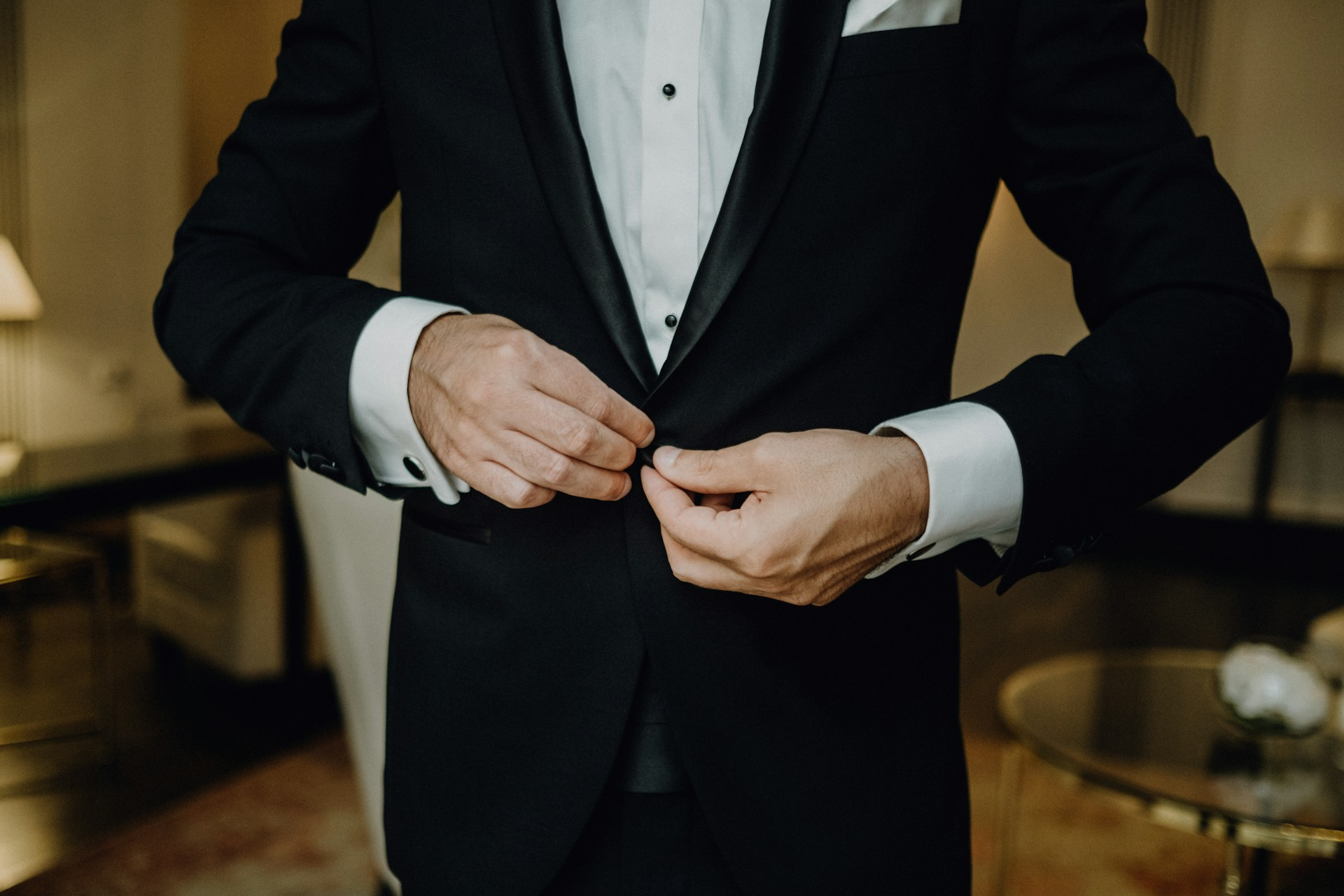
The best travel security tips are the ones you do before you leave, when you have the time and attention to do them well.
Before departure, take the opportunity to strengthen every account and device that will accompany you. Two-factor authentication should be enabled across email, banking, hotel loyalty programmes and airline apps. These extra verification steps may feel like a minor inconvenience, but they provide one of the strongest barriers against unauthorised access.
It is also worth refreshing passwords on your most important accounts before leaving and changing them again when you return. Remove stored payment information from apps you will not be using during the journey, reducing the number of places where your financial details are held.
Your devices deserve the same attention. Laptops should have full-disk encryption activated, whether that means FileVault on a Mac or BitLocker on Windows. Set all devices to lock automatically after a short period of inactivity, ideally within 30 seconds, and ensure your photographs, contacts and important documents are backed up before you travel.
A VPN should be installed and tested before departure, rather than downloaded in the middle of a trip when you need it most. It provides an additional layer of protection when connecting to networks outside your home environment.
Your itinerary also requires consideration. Detailed travel plans should only be shared with people who genuinely need access. Avoid posting departure times, hotel names or flight details publicly before leaving, and disable automatic connections to unfamiliar WiFi networks and Bluetooth devices.

Physical security in five-star establishments is good, but a few practices should be maintained regardless of where you’re staying.
A room safe is not a vault. Passports, spare cards, electronics you are not using are acceptable there overnight but anything of considerable worth should go through the hotel’s main safe-deposit facility, which usually has stronger security and adequate responsibility.
Room selection can also make a difference. Request accommodation away from the ground floor, lobby areas and car parks, where there is generally more passing traffic and visibility. When leaving the room, avoid using the “please make up room” sign where possible. While convenient, it can also indicate that the room is currently unoccupied.
Concierge relationships are one of the great advantages of luxury hotels, but they do come with a consideration around privacy. The more information a property holds about your movements and preferences, the greater the digital record attached to your stay. For most travellers this presents little concern, but those with a public profile should be selective about what personal details are shared.

Luxury travellers are often targeted by scams that rely less on obvious deception and more on familiarity and trust. The most convincing attempts usually imitate the services travellers already use and recognise.
A fake concierge message, for example, may appear to come from a hotel employee requesting updated payment details. The safest response is always to end the conversation and contact the hotel directly using the official number listed on its website.
Phishing attempts often arrive disguised as exclusive offers: a complimentary lounge upgrade, a suite enhancement or an invitation linked to a loyalty programme. Rather than clicking through an email or message, access the account directly through the official airline, hotel or travel provider website.
Luxury booking fraud has also become increasingly sophisticated, with duplicate websites designed to look almost identical to premium hotels or villas. Slight changes in website addresses can be difficult to notice, which is why booking directly with the property or through a trusted travel adviser remains the safest approach.
At airports, unsolicited assistance can also create problems. Someone offering help with luggage or directions may later demand payment or create pressure around a service you did not request. Pre-arranged transfers and official airport services remain the better option.

WiFi on Property
Even the most exclusive hotels operate shared networks, meaning other users may be connected to the same system. A VPN should be used whenever accessing work email, banking services or any account requiring personal credentials.
For travellers who require a higher level of privacy, a personal mobile hotspot remains one of the most reliable options, particularly when handling sensitive business or financial information.
Awareness of Location
Sharing travel moments is part of the experience, but timing matters. Posting photographs several hours after taking them can prevent broadcasting your exact location in real time.
This becomes especially important for travellers with a significant public presence. A simple image from a hotel terrace, airport lounge or restaurant can reveal more information than intended, particularly when combined with location tags and background details.
Private Transportation & Transfers
Luxury travel often includes carefully arranged transfers, but confirmation details should still be checked carefully. Scammers have been known to intercept booking information and send altered payment instructions or replacement driver details.
If a transfer suddenly changes through an unexpected message or email, verify the information directly by calling the hotel, transport company or travel adviser before making any payment or sharing personal details.
Security of Physical Documents
A colour copy of your passport should always be kept separately from the original document. If a card is lost or stolen, having access to account numbers and issuer contact details offline can save valuable time.
Keep emergency information somewhere accessible without relying on your phone. In the event of a lost device, having essential details available can make the recovery process significantly easier.

Before you leave
Before departure, ensure two-factor authentication is active across important accounts, devices are encrypted and backed up, your VPN is installed and tested, and passwords have been updated. Share detailed itineraries only with those who require them.
On the trip
While travelling, keep your VPN active on public and hotel networks, disable automatic WiFi and Bluetooth connections, delay real-time location posts, verify unexpected transfer changes by phone and store valuable items securely using hotel safes or deposit facilities.
When you come back
After returning home, change passwords again, review bank and credit card statements carefully and report any unusual account activity immediately.
Luxury travel is supposed to be seamless. The security layer that makes that happen is not complicated – it just has to be in place before the trip starts, not developed on the fly when something goes wrong.
The checklist above looks like a lot written out, but most of it takes less than fifteen minutes to set up before any trip. Two-factor authentication, a VPN, device encryption, a password refresh – these are one-time habits that compound over every trip you take after.
What you receive in return is the kind of travel that really delivers on what luxury is meant to mean: full presence, no background anxiety about whether that email was valid, or whether your account is still yours. The Maldives overwater villa, the Tokyo ryokan, the Amalfi coast villa with the sea view at breakfast – none of these land the way they should if part of your mind is somewhere else.
Set it up once. Get it right. Then it comes with you.