

The Luxury Travel Magazine
The Luxury Travel Magazine
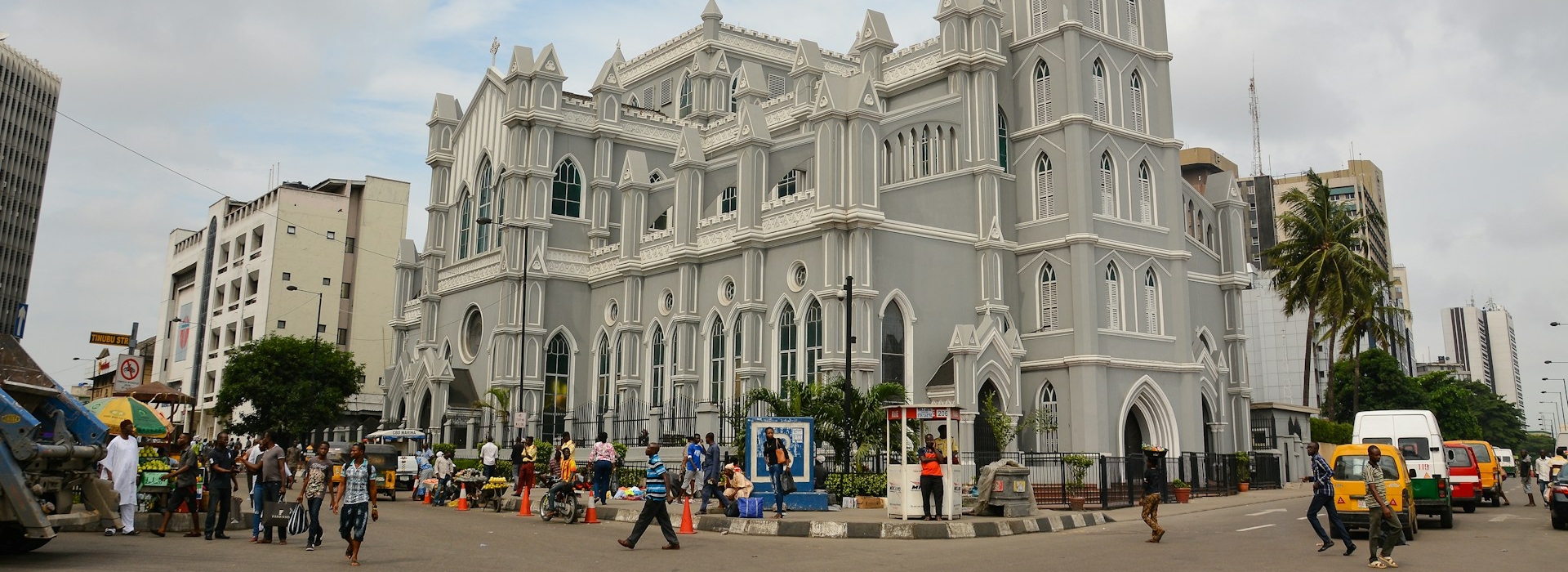
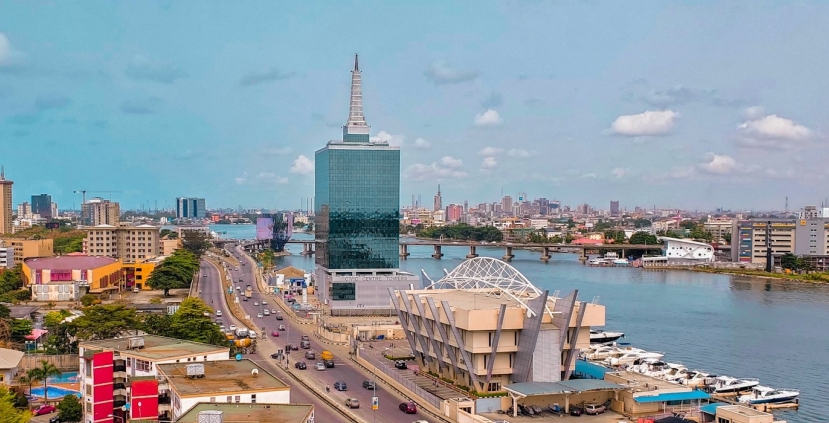
No matter how many travel blogs you read or tips you gather online, nothing quite prepares you for that first step off the plane in Lagos. It’s an overload to all five senses: the hot air hits your skin like opening an oven door, the noise is a constant soundtrack of honks and music, the streets are bustling.

In short, the energy is immediate.The first few minutes feel like a mild culture shock. Everything that happens next only confirms: Lagos welcomes you with energy and without compromise.
Our first stop was passport control. While waiting in line and looking at other passengers, we were immediately relieved that we had already filled out the NG Entry Form (also known as the Nigeria Landing Card).
This digital entry form is required in order to enter the country and must be completed before arrival.In the weeks before our trip, we found conflicting information on forums, blogs, and Reddit threads. Some travelers insisted the form was optional, but that’s no longer the case.To play it safe, we filled out the form online (it only took a few minutes) and received our approved entry form just an hour later via email.
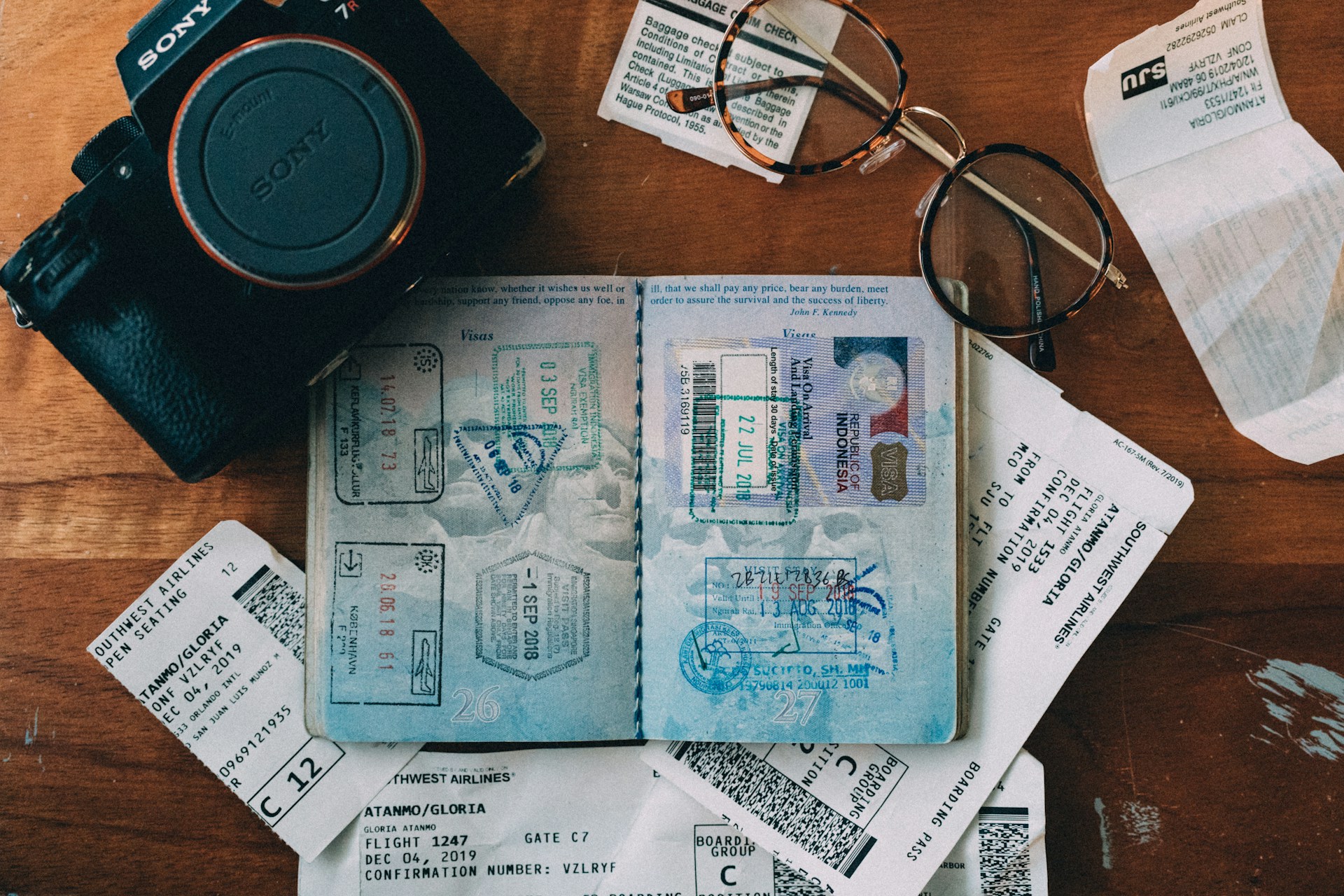
At passport control, the officers were professional, direct, and polite. They asked a few routine questions (our purpose of travel, hotel address, and length of stay, etc.) and wished us a good trip. A smile and a stamp later, we were officially in Nigeria!
As we picked up our luggage and exited the Arrivals hall, it seemed like every other person was offering something: taxi drivers clamoring over passengers, the bright lights of currency exchange kiosks, SIM card sellers, luggage assistance. Instead of haggling at the taxi stand, we opted for a good ol’ Uber and booked a ride straight to our hotel in the center.
That ride turned out to be our first real taste of Lagos life. Traffic jams start practically at the airport gate, and the roads feel like a toned-down version of Need For Speed. Our driver expertly maneuvered between cars and chatted with us as if we’d known him for years, pointing out landmarks and giving much-needed travel tips. (We also learned the term “go slow” from him, which means a traffic jam!)
After checking into the hotel and enjoying a good night’s rest, we ventured out the next day to explore the city… and what better way to live like a local than by using public transportation? One thing we quickly learned is that buses in Lagos don’t run on a schedule. They leave when they’re full, which might take ten minutes or an hour.

Another interesting thing that we noticed were the bus hawkers. The way it works is simple: while buses sit in traffic, vendors walk up and down between the lanes, carrying trays stacked with snacks, bottled water, phone cards, even everyday items like tissues or batteries.
They call out their prices, and if something catches your eye, you hand money through the window and get your purchase on the spot. Some even get on the bus to sell their wares.
After wandering the city a little, we formed our first impressions. The first thing that struck us was the vibrancy. Everywhere we turned, there were bursts of color, from the patterned fabrics in market stalls to the bright headscarves (called “gele”) women wore with such elegance. It was impossible not to pause and take it all in. Then there were the smells. The smoky aroma of suya sizzling over open grills, the sweetness of fried plantains, and the sharp spices that wafted in the air made it clear that food is at the heart of Lagos. Even a short walk left us hungry and curious to take a bite.
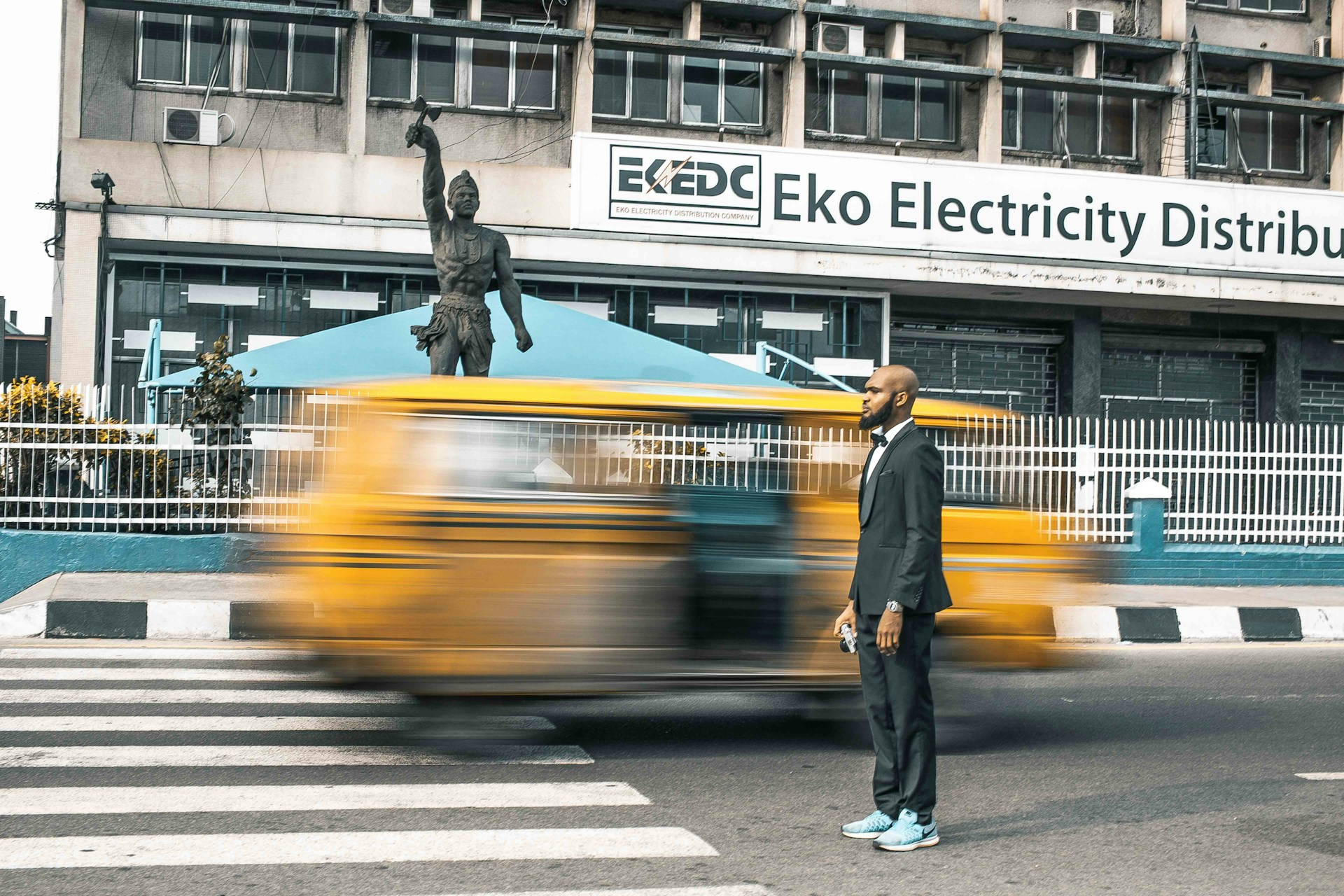
Of course, we couldn’t not mention the traffic. The locals joke that “in Lagos, you don’t need to drive fast, you just need to drive at all”, and that made sense almost immediately. Cars inch forward slowly, while motorcycle taxis called “okadas” weave through impossibly small gaps. Ah, and how could we forget the bargaining? Buying something as small as a bottle of water or souvenir turned into a friendly back-and-forth haggle (albeit more playful than stressful), and somehow it made us feel less like outsiders and more like participants.
While Lagos demands some street smarts, we never felt unsafe. During our trip, we followed some simple rules like, don’t flash your phone or cash in crowded places, keep valuables out of sight, and use Uber instead of random taxis. We also avoided walking alone at night and stuck to familiar areas on our first few days. Every city has its challenges, but in Lagos, it’s more about pace and presence than real danger. If you stay alert and respectful, you’ll be fine.
What stood out most of all, though, were the people. Lagos locals aren’t just friendly — they’re open, smiling, and often eager to help. Our bus driver gave us directions without being asked. A waiter patiently taught us how to pronounce “Odun gan” (translated to it is very delicious! in Yoruba). A friendly seller at Balogun Market saw us looking at the fruits and offered us a few slices.
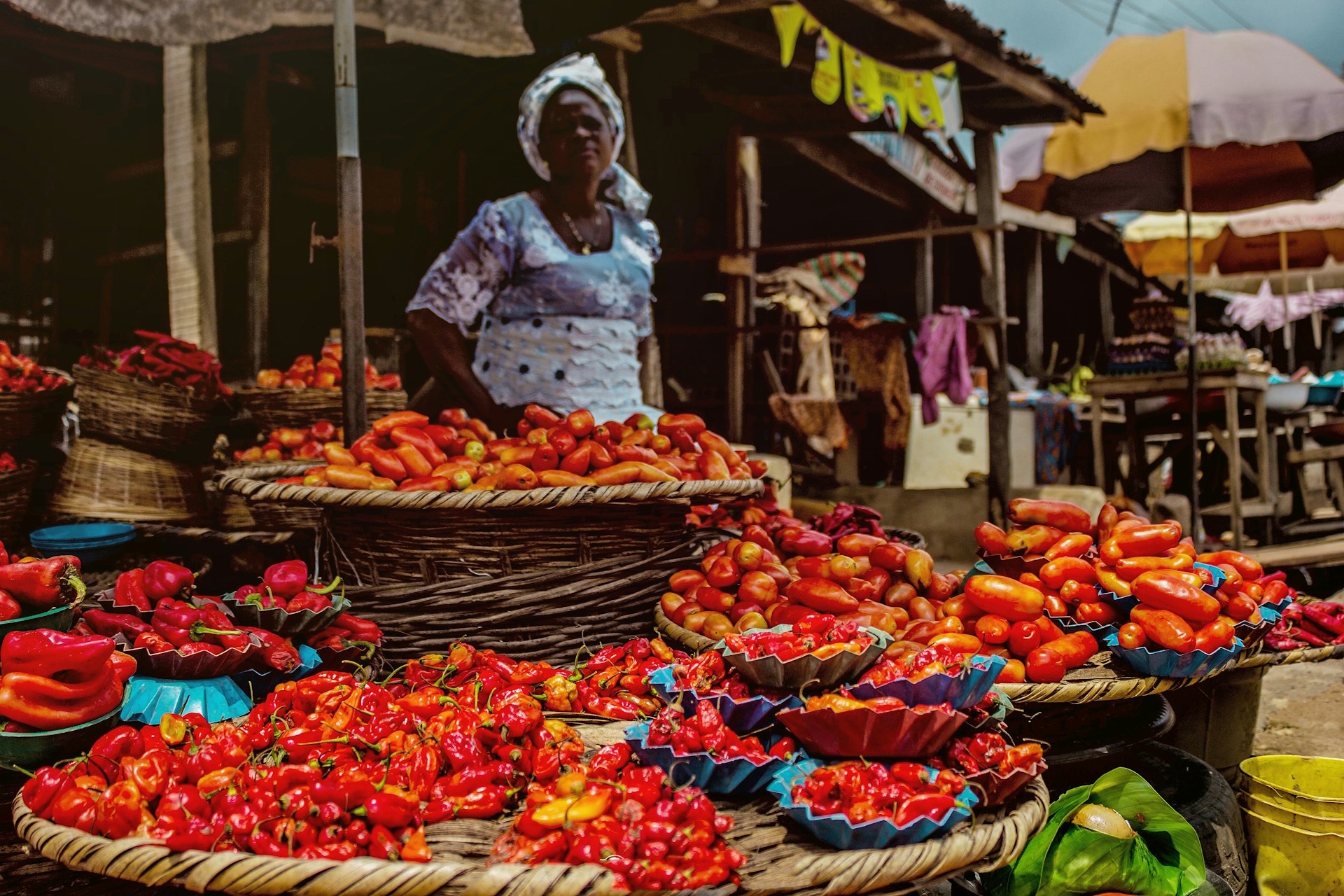
This warmth made it easier to relax and embrace the city for what it is: fast, intense, and refreshingly real. There’s a lot to figure out on your first trip to Lagos, but that’s half the fun. The city moves fast and, if you go with the flow, you’ll see why people love it so much.