

The Luxury Travel Magazine
The Luxury Travel Magazine


New York City is one of the most visited places on earth, which means most people arrive with the same mental checklist: snap a photo on the Brooklyn Bridge, stroll through Central Park, and maybe catch a sunset from somewhere tall. Those are iconic for a reason, but they’re also exactly what millions of other visitors are doing at the same moment.
The city rewards the curious traveler who looks a little sideways. The same skyline views hit differently from a rooftop in Queens than from a crowded observation deck. The High Line feels like a different place on a Tuesday morning compared to a Saturday afternoon. Washington Square Park has its own rhythm that shifts dramatically from hour to hour, and Brooklyn’s neighborhoods offer a pace of life that no landmark can replicate.
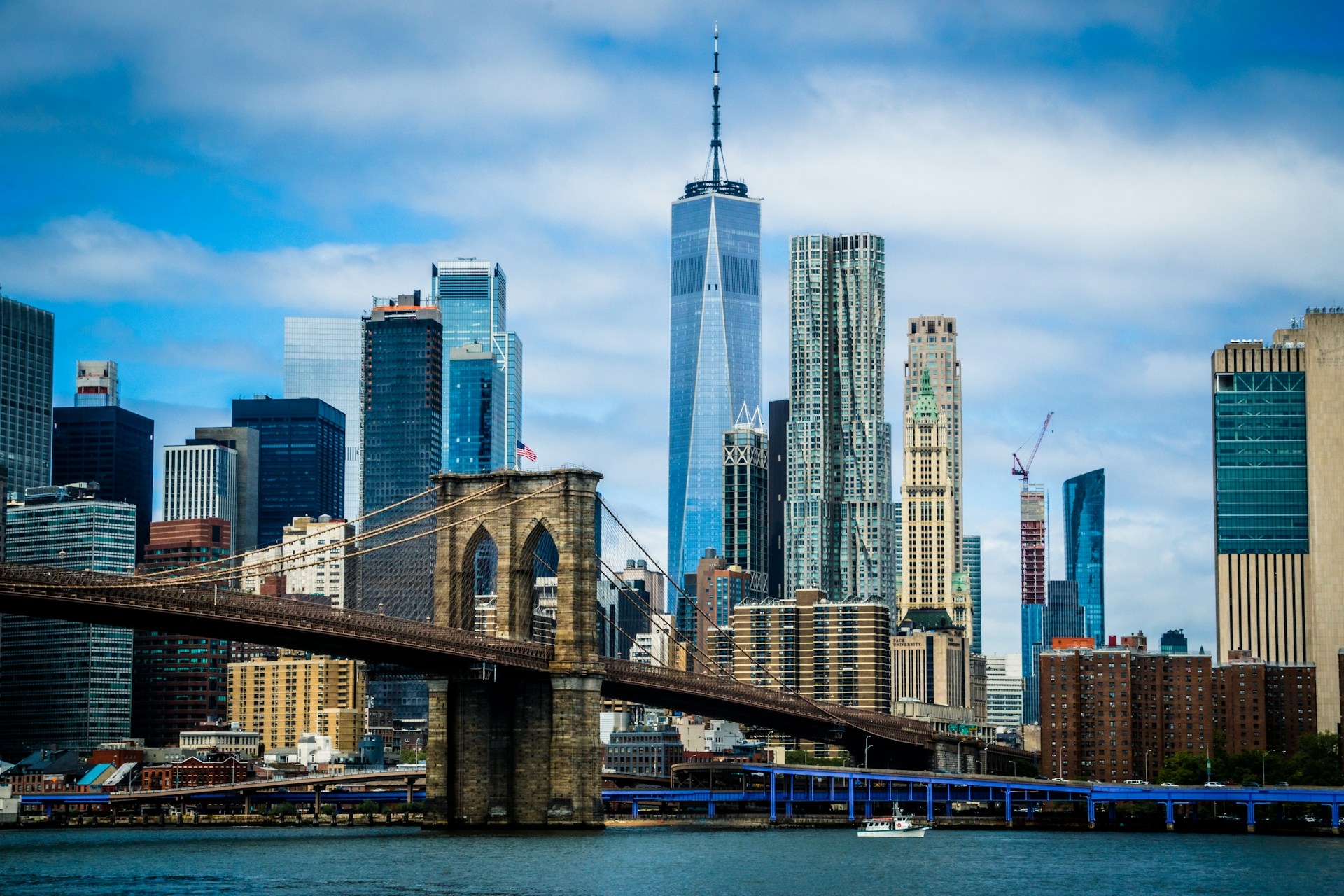
For travelers who already know the obvious things to do in NYC and want something that feels a little more earned, the options below are built around familiar anchors reframed through timing, angle, or neighborhood context. Whether it’s discovering unique things to do in NYC that most visitors walk right past, or simply trading the tourist circuit for a quieter block nearby, the goal here is the same: more city, less bucket list.
The best fresh experiences in New York City often come from changing timing, route, or neighborhood rather than chasing another landmark. The city opens up once you stop treating landmarks as endpoints and start using them as gateways to the streets, parks, and waterfronts just beyond them.
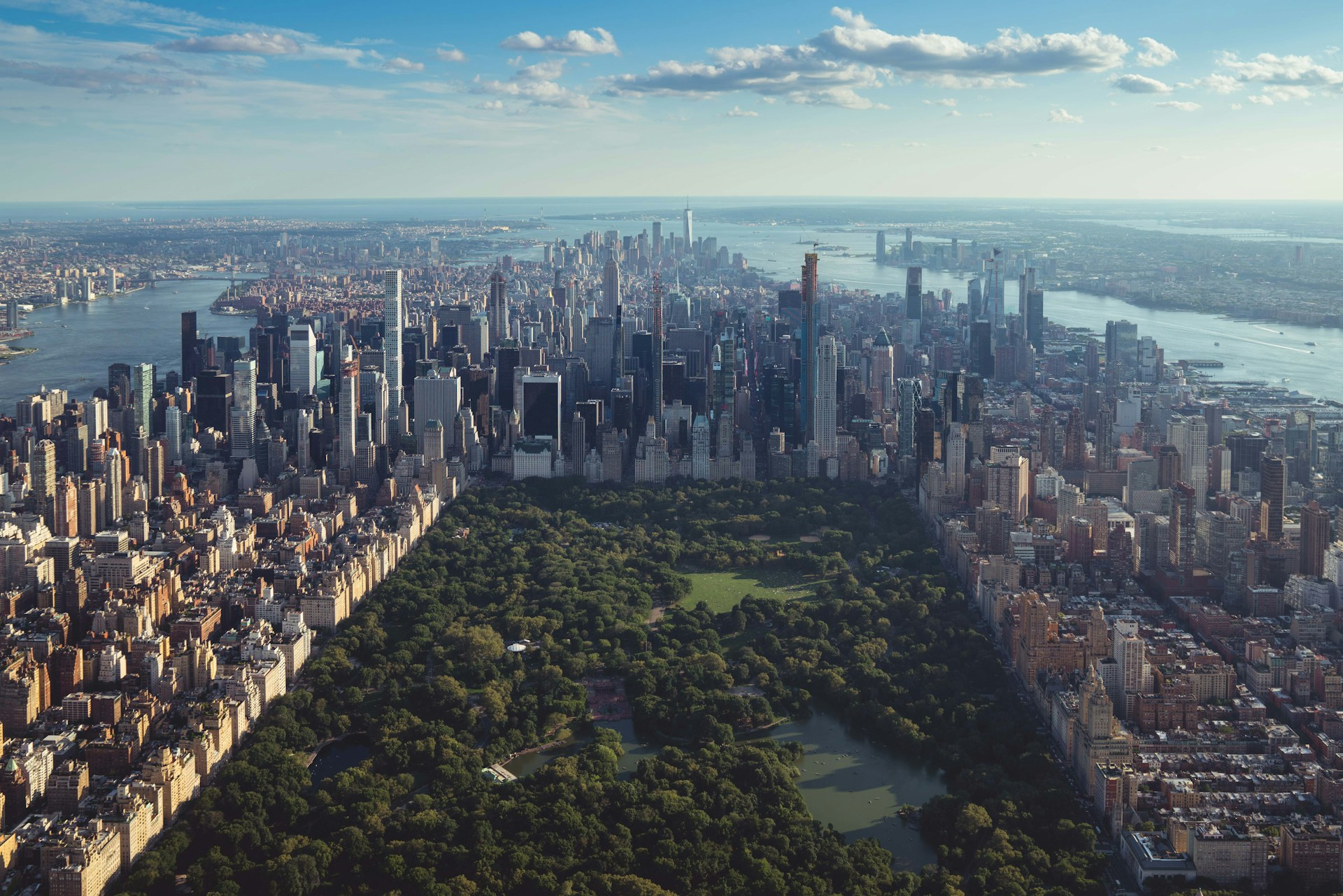
Central Park looks entirely different depending on where you enter and when. The Reservoir loop at dawn, for instance, offers a version of the park that feels almost private. The Brooklyn Bridge is worth crossing on foot, but the real payoff is the view back toward Manhattan from the Brooklyn side, which most visitors skip entirely. The High Line rewards a slower pace, particularly if you walk it from north to south and let the neighborhood transitions do the work.
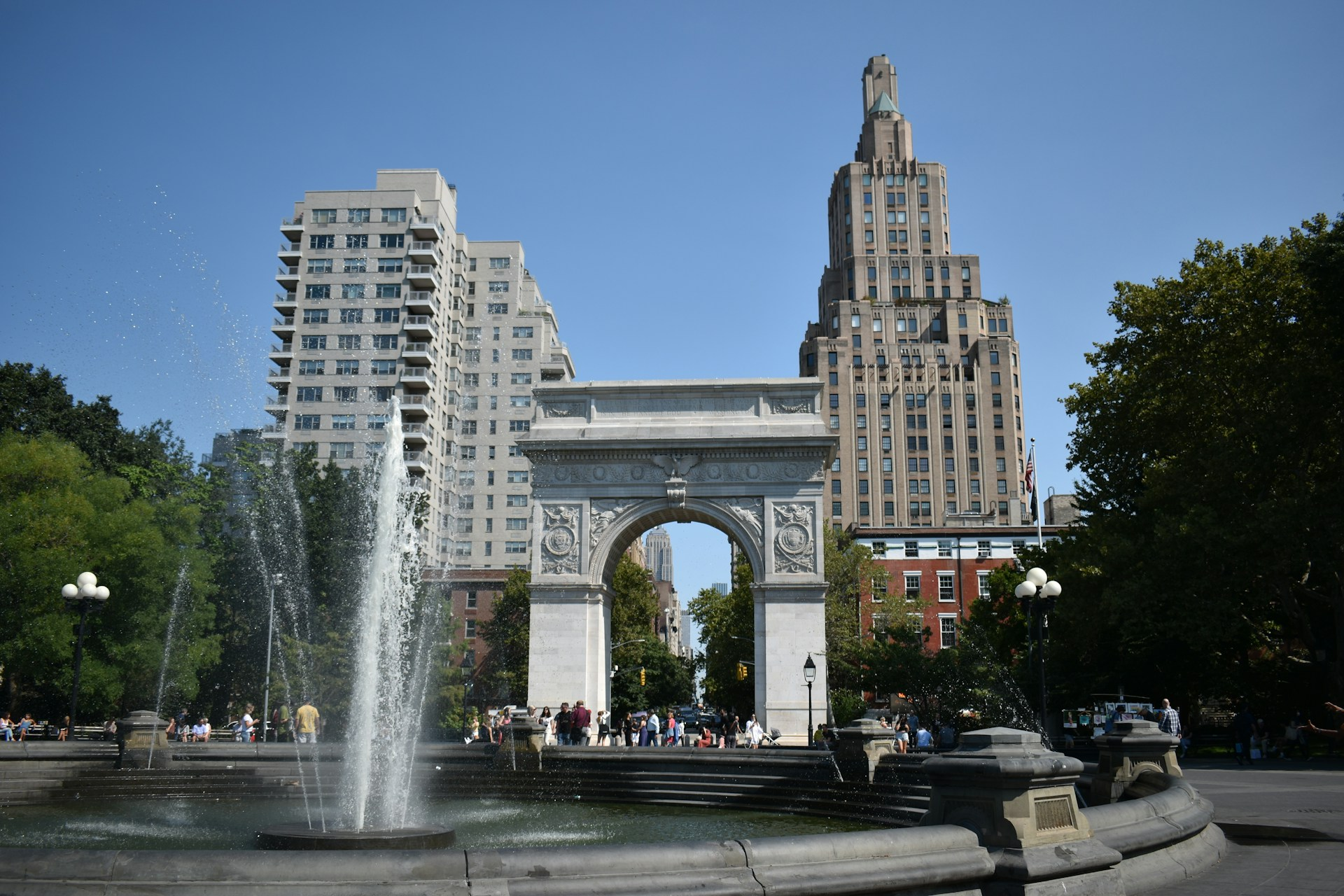
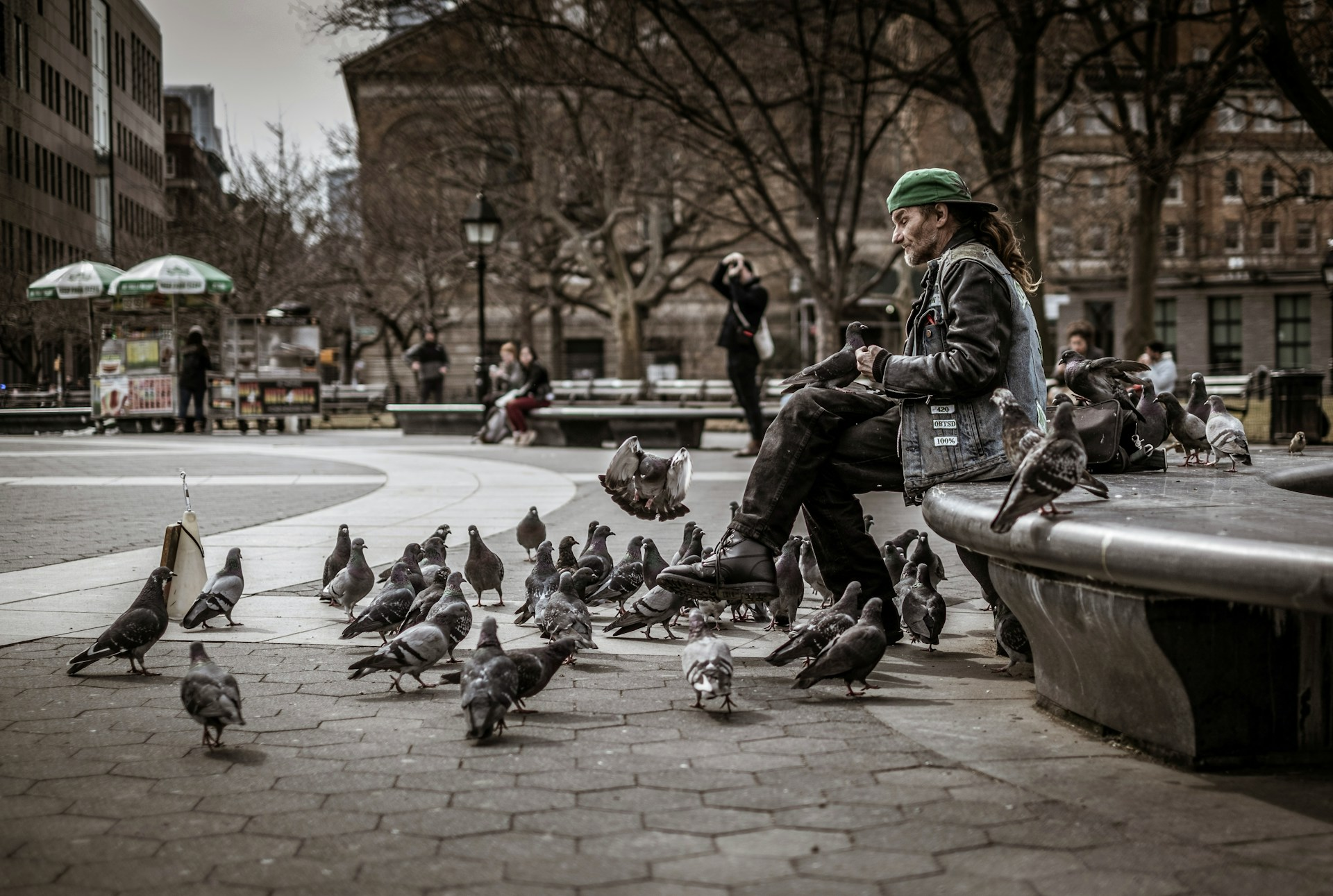
is less a destination and more a stage. The energy there shifts from morning chess games to afternoon performers to evening gatherings, and simply sitting with it for an hour tells you more about the city than most guided tours.
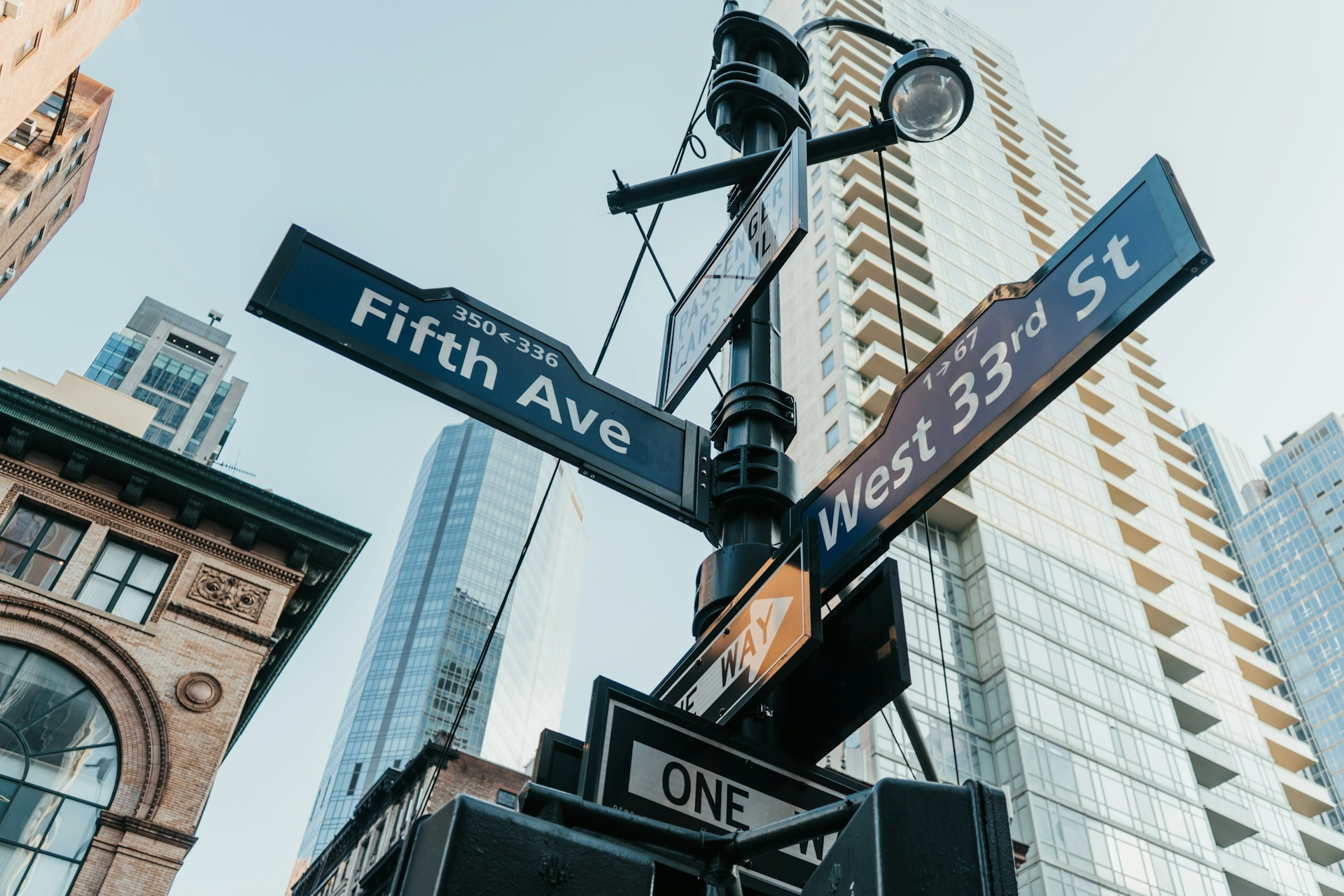
Skyline views from non-Manhattan vantage points, whether from a rooftop in Long Island City or a waterfront bench in Brooklyn, carry a different emotional weight than the standard observation deck experience.
Staying only in Manhattan is one of the most common traveler blind spots in New York. Crossing into the outer boroughs changes the pace, the scale, and the texture of the trip in ways that are hard to anticipate until you actually do it.
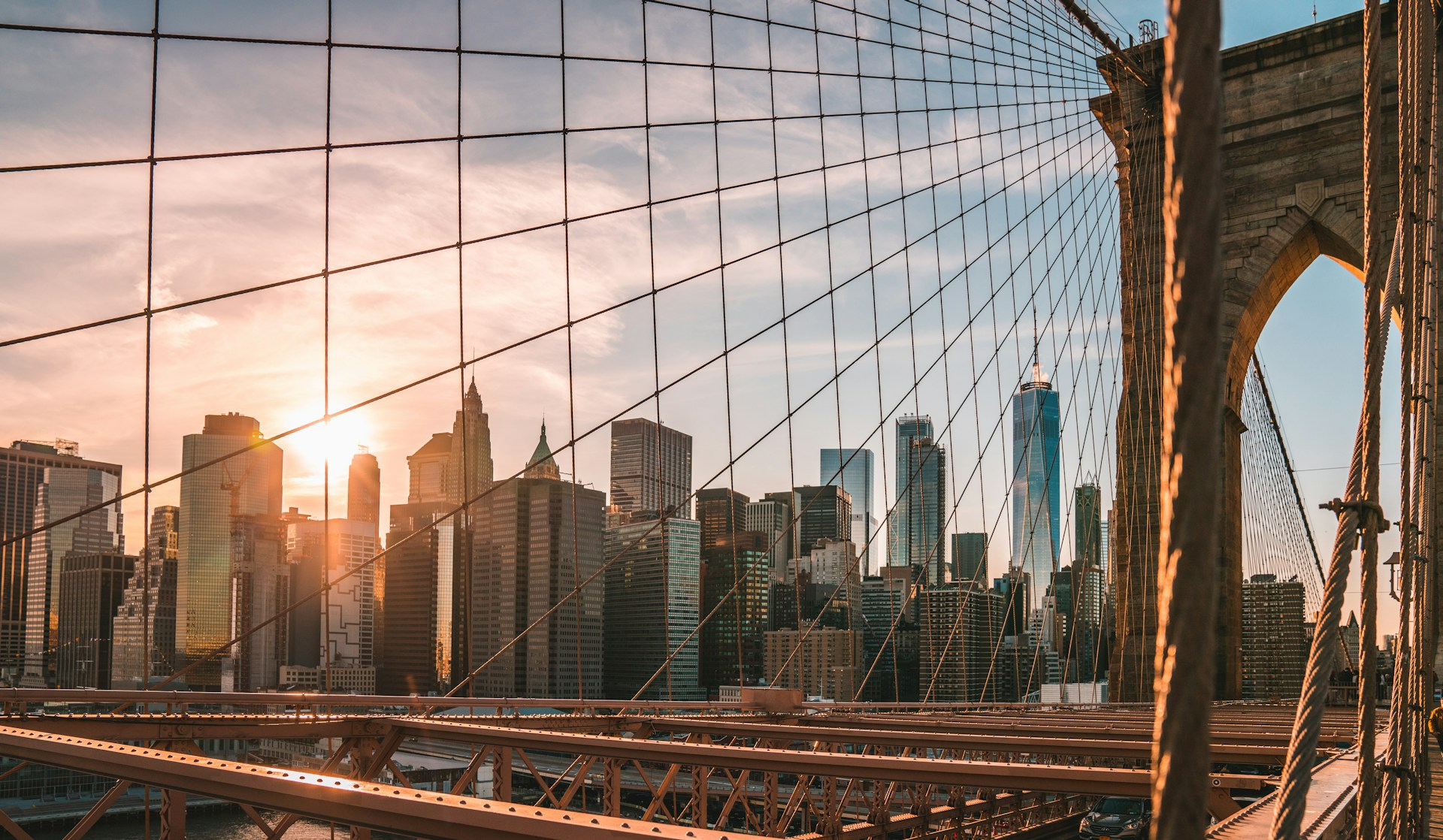
The outer boroughs don’t just complement Manhattan; in many ways, they outperform it for the kind of spontaneous, textured experience that actually sticks with you.
DUMBO is the clearest example. The cobblestone streets, the framed view of the Manhattan Bridge between buildings, and the concentration of independent galleries and food vendors make it one of the most visually rewarding NYC neighborhoods to simply wander through without a plan.
Williamsburg pulls in a different direction. The street art scene along its walls and side streets functions almost like an open-air museum, and the waterfront gives skyline views that most visitors never find because they’re too busy looking at the skyline from inside it. Both neighborhoods are easy to reach and carry none of the foot-traffic friction that defines Midtown on most days.
Queens adds yet another layer. Flushing, Astoria, and Jackson Heights each carry distinct cultural identities that no borough summary can fully capture. The payoff for wandering there is mostly culinary and human-scale, which is exactly what Manhattan rarely offers.
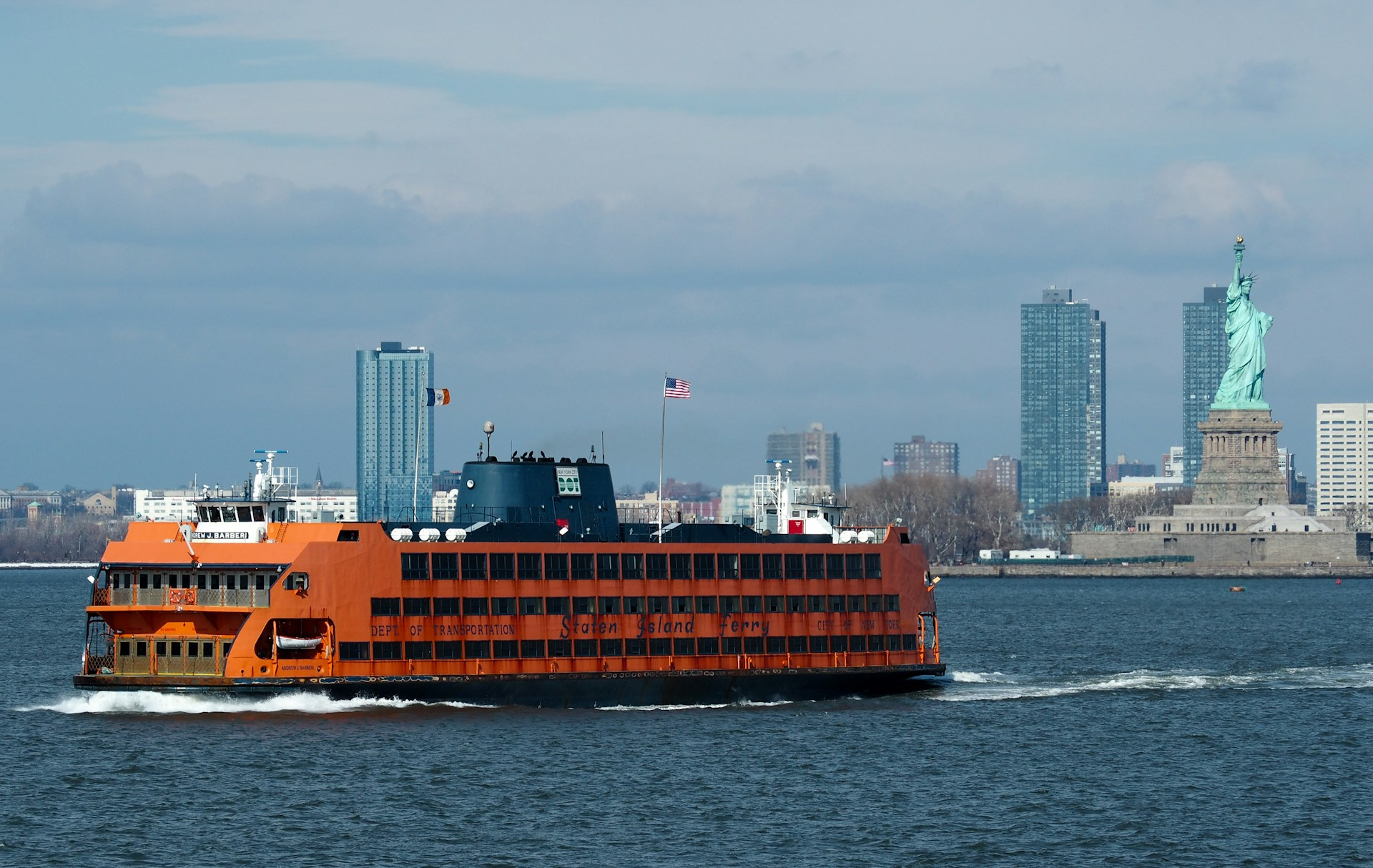
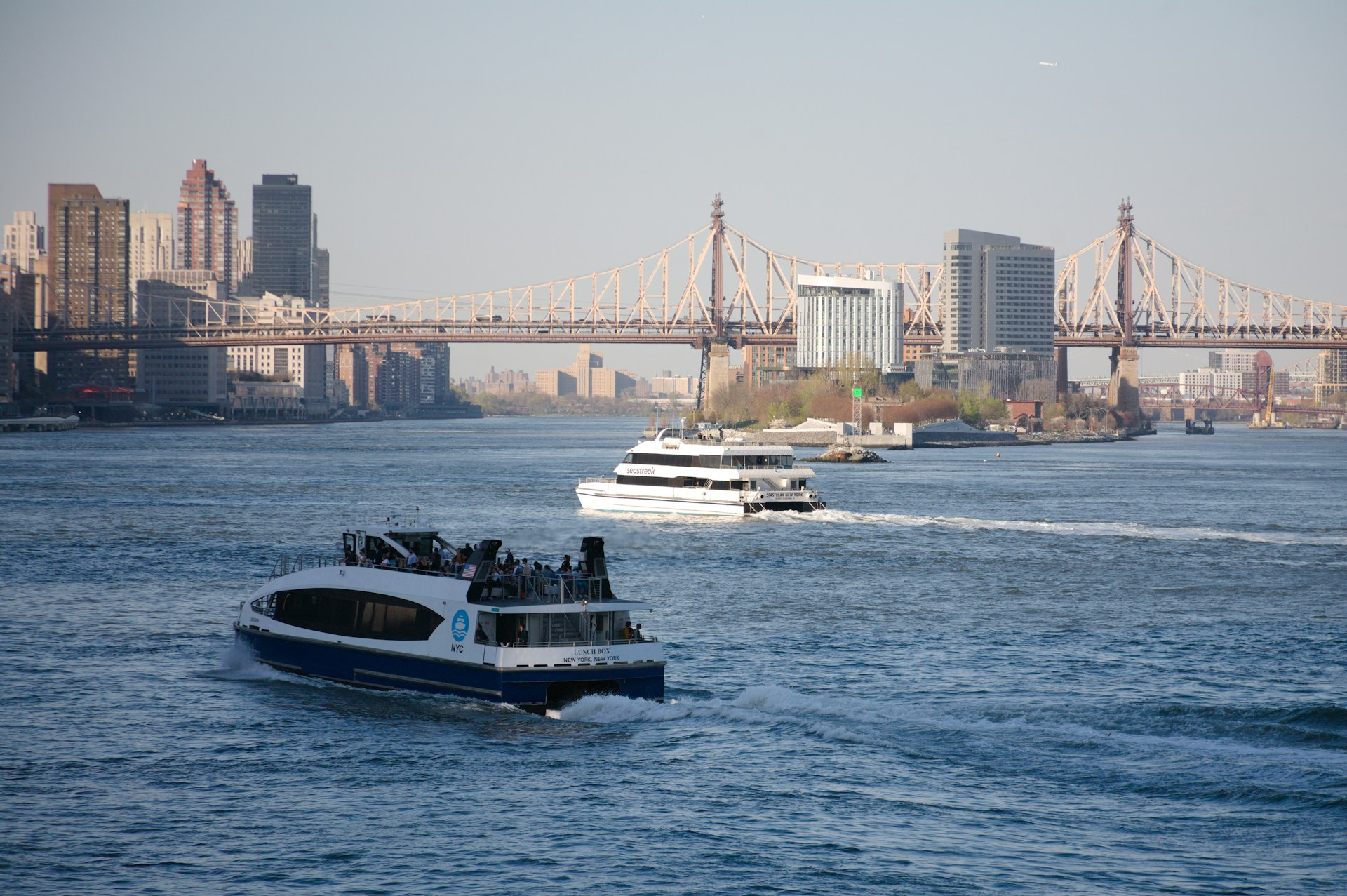
The Staten Island Ferry is one of the most consistently underused free experiences in New York. It crosses the harbor twice, the views of lower Manhattan are genuinely striking, and it costs nothing.
Governors Island operates on a different register entirely. Reachable by a short ferry from Lower Manhattan or Brooklyn, the island offers open lawns, art installations, and a pace that feels removed from the city’s usual intensity. Its island’s public history as a former military post adds meaningful context to what would already be a worthwhile afternoon detour.
Some of the most memorable things to do in NYC come from spending half a day in one area instead of crossing off attractions all over the map. Immersion, it turns out, is its own reward.
The most satisfying days in New York tend to come from staying in one area long enough to actually feel it, rather than bouncing between landmarks across multiple boroughs. That kind of immersion starts with choosing a neighborhood that has its own personality.
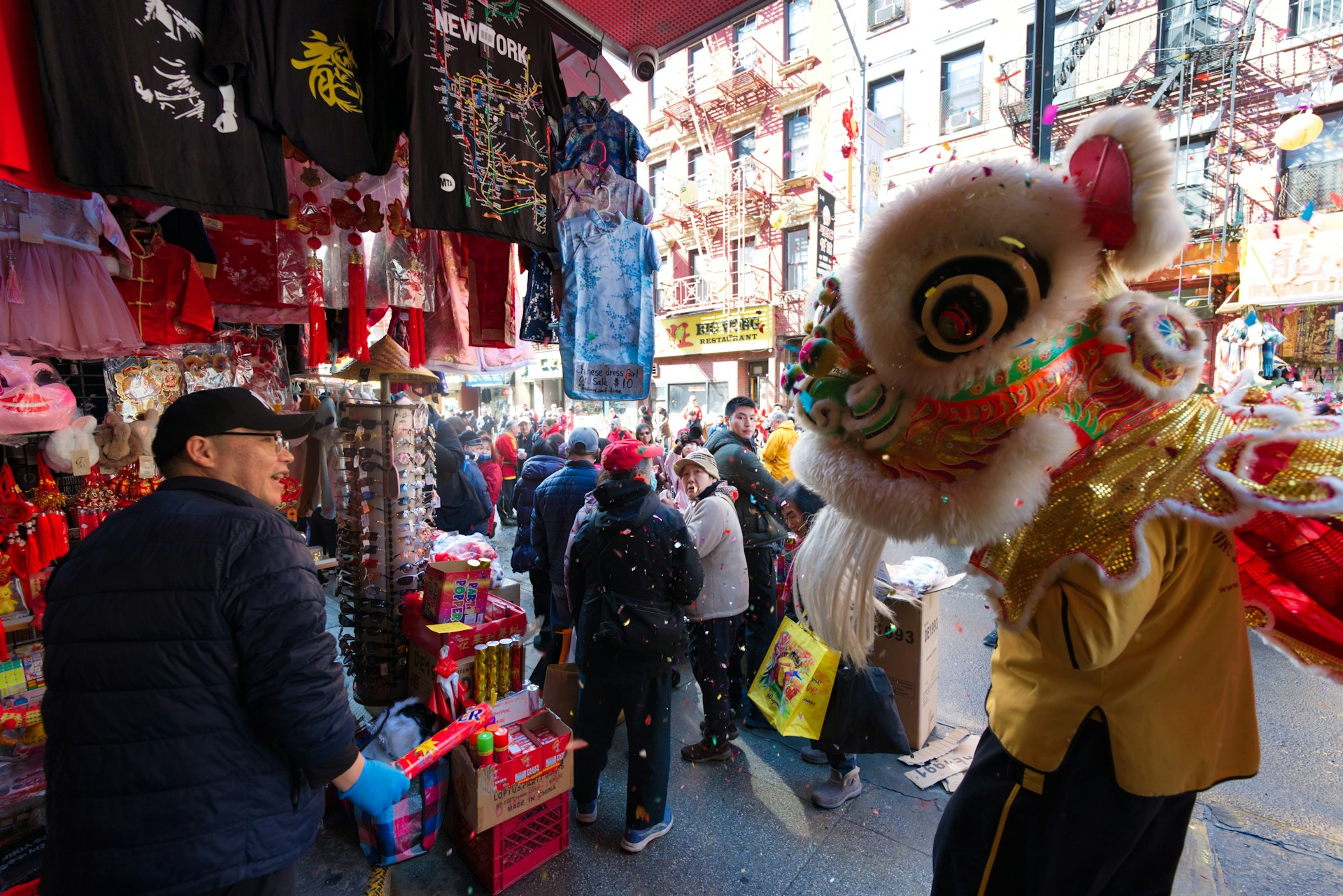
Chinatown is one of the strongest examples. The density of food options, the side streets lined with produce vendors, and the layered cultural history make it a place that rewards slowing down. A meal there can anchor an entire afternoon without needing much else added to the plan.
Grand Central Terminal works differently but just as well. Beyond the commuter traffic, it holds hidden gems that most visitors walk past entirely, including details in the architecture and spaces tucked below the main concourse that connect to hidden bathing rituals beneath the streets. Pairing a stop there with the surrounding Midtown East blocks offers a version of the city that feels far less crowded than it should.
Once a neighborhood is chosen, the best approach is to let the walking tour emerge naturally. A food tour doesn’t need to be an organized event. It can simply mean starting with a meal, stopping at a market or cultural site mid-walk, and ending somewhere with live music or a quiet corner that earns its own visit. The route itself becomes the experience.
In New York City, timing often matters more than adding another stop to the itinerary. The same places that feel overrun on a Saturday afternoon can feel completely different at dawn or after dark, and that shift costs nothing extra.
Central Park at sunrise is a different place than the one most visitors experience. The light, the pace, and the quiet are all earned by showing up early, and it remains one of the simplest free things to do in the entire city.
The Brooklyn Bridge follows the same logic. Crossing it in the early morning hours means avoiding the midday crowd entirely, and the atmosphere shifts from tourist circuit to something that actually feels like a personal moment with the skyline.
The High Line transforms after sunset. The lighting, the reduced foot traffic, and the views toward the Hudson take on a cooler, more atmospheric quality that daytime visits rarely match. Rooftop bar visits reward the seasonal approach as well. Spring and early fall offer the clearest air and most comfortable conditions for an elevated perspective, whether that means soaring above Manhattan’s skyline or simply watching the city settle into evening from somewhere high up. Venues that host live music tend to peak later in the evening, which makes a night out feel worth building the rest of the day around.
The Staten Island Ferry offers harbor views of lower Manhattan at no cost, and Central Park at sunrise requires nothing but an early alarm. For first-time visitors who want something beyond the standard itinerary, Brooklyn, particularly DUMBO and Williamsburg, offers the most accessible outer-borough experience. As for timing, early morning works best for landmarks, while late evening is when rooftop bars and live music venues tend to hit their stride.
New York City has more things to do than any single itinerary can hold, which means the bucket list version of the trip almost always leaves the best parts out.
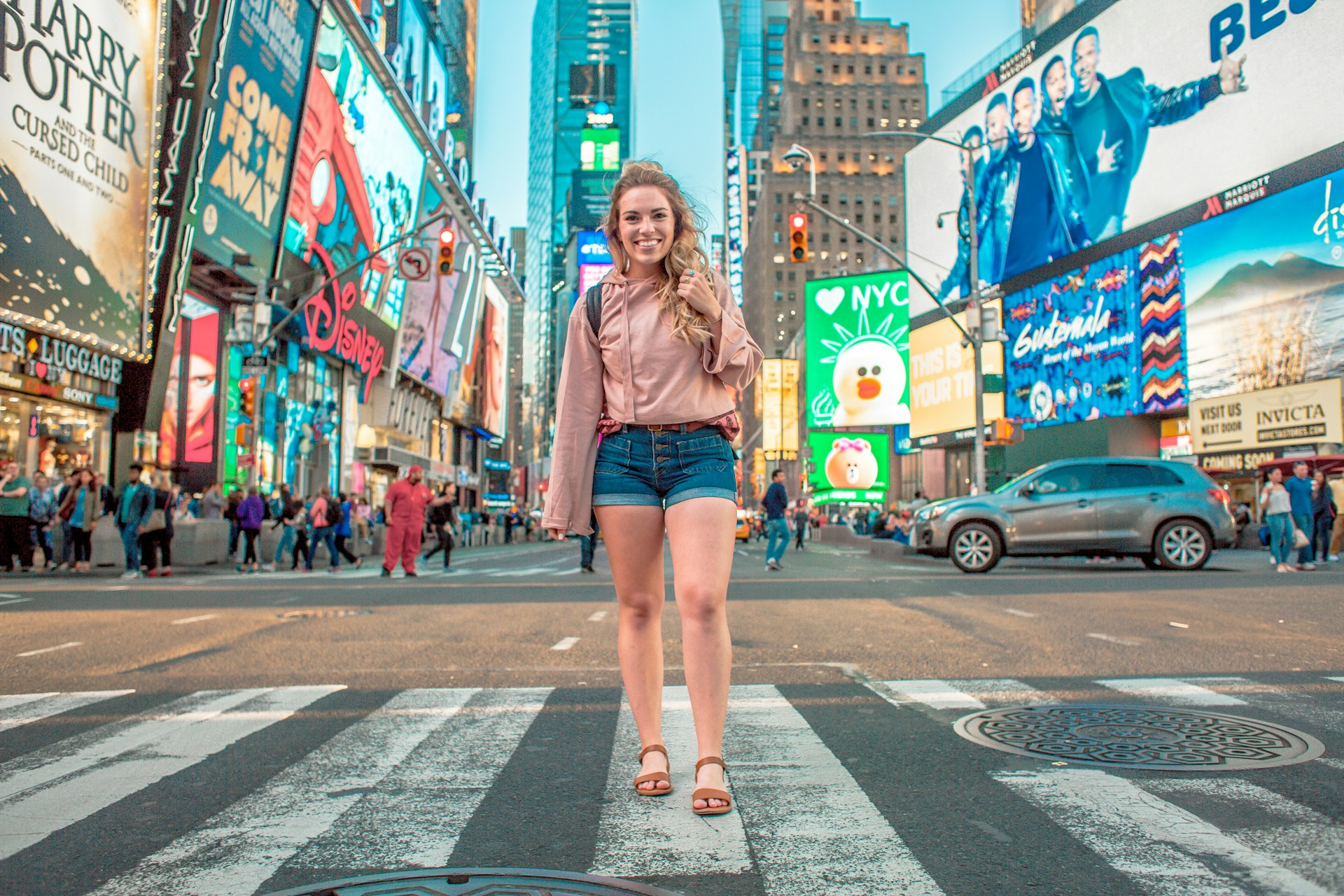
The travelers who leave feeling like they actually saw the city are rarely the ones who stuck closest to the plan. They mixed a few iconic anchors with a neighborhood that surprised them, timed a visit just right, or followed a walk long enough to find something unscheduled.
New York City doesn’t reward the checklist; it rewards the detour. The most memorable version of the trip usually lives one block off the obvious route, waiting for anyone willing to take it.