
The Luxury Travel Magazine
The Luxury Travel Magazine
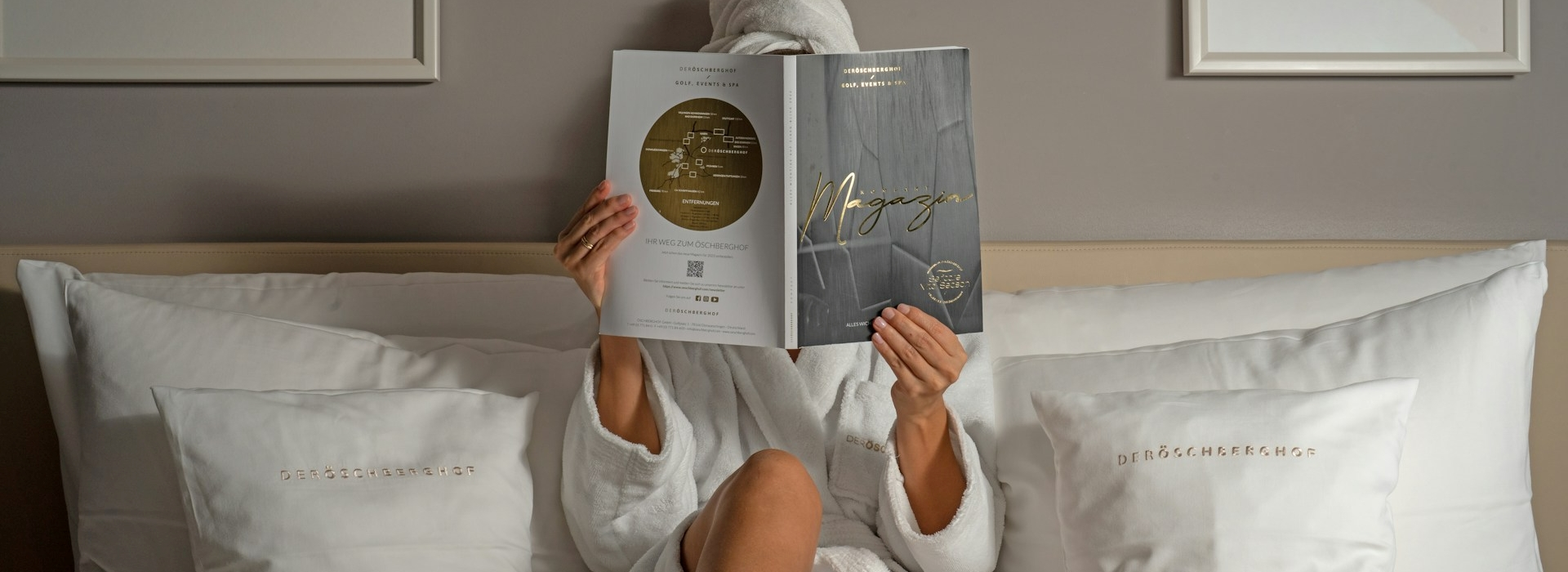

Boutique hotels are judged before a guest reaches the bed. The lobby scent, the carpet underfoot, the brightness near the front desk, and the first breath inside the room all register fast. A fresh property feels cared for because dozens of small tasks happen on schedule, long before check-in.
Strong boutique hotel cleaning standards combine housekeeping, air control, textile care, and maintenance.
A guest notices stale air, fingerprints, dim corners, and tired textiles quickly. Boutique hotels reduce those triggers by treating freshness as a daily operating standard.
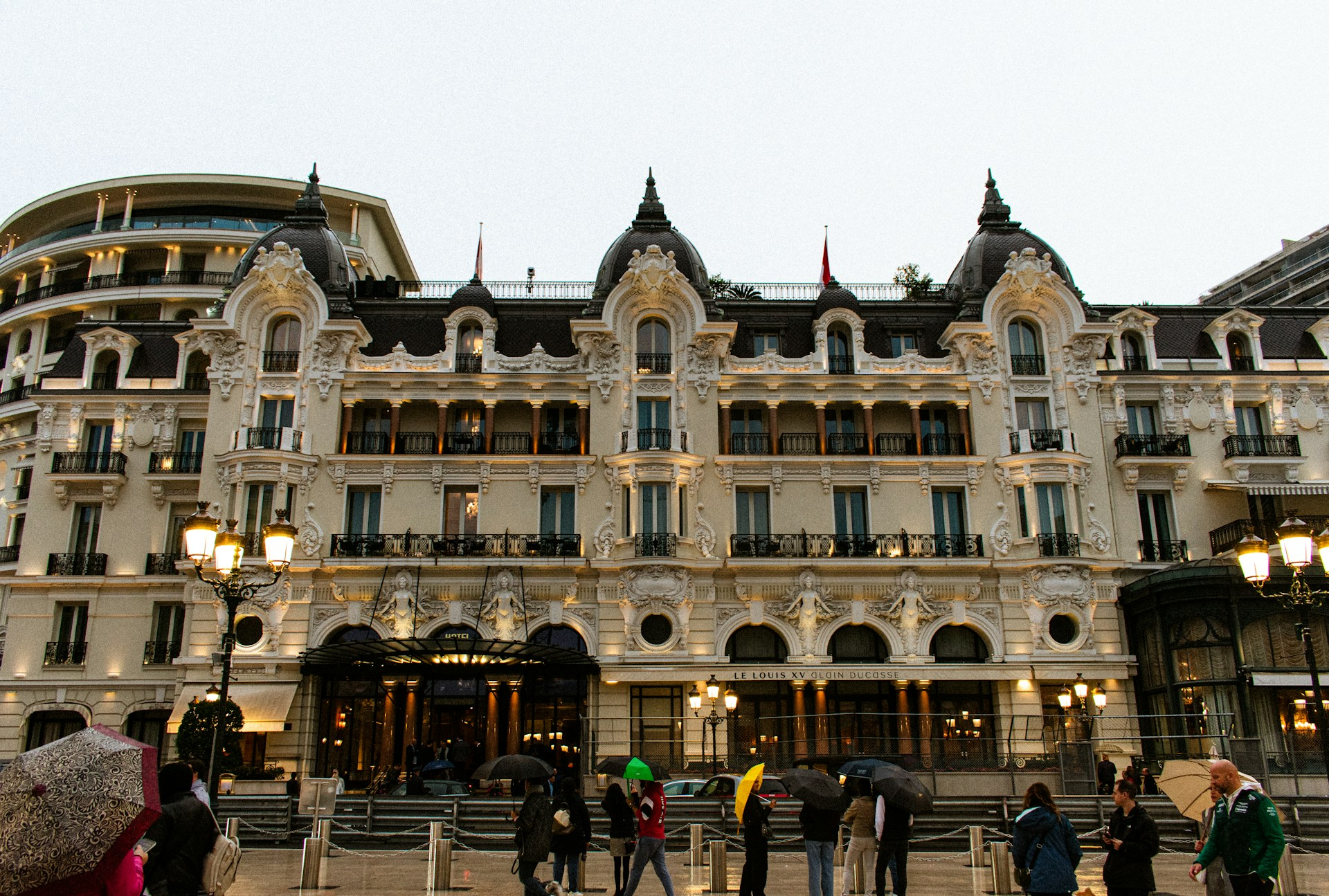
Housekeeping teams work from checklists that cover high-touch areas, fabric condition, bathroom moisture, and odor. Supervisors often inspect from the guest’s viewpoint, including the bed, mirror, floor edge, lamps, remote, outlets, and entry path.
Good hotel housekeeping best practices also keep tools separated by use. Color-coded cloths lower the chance of moving bathroom residue to glass, desks, or bedside tables. Microfiber helps because it picks up fine dust with less chemical residue.
The freshest rooms tend to come from habits that look small on paper. They prevent the problems guests notice first.
These habits explain how hotels keep rooms fresh even during busy seasons. Quick turnovers still need structure.
A clean room can still feel stale when air movement is weak. Hotels deal with fresh air, filtration, humidity, and cleaning product residue together. ASHRAE Standard 62.1 is commonly used as a ventilation guide for commercial buildings, including hospitality spaces. The U.S. Environmental Protection Agency has estimated that 33% to 50% of U.S. commercial buildings experience poor indoor air quality.
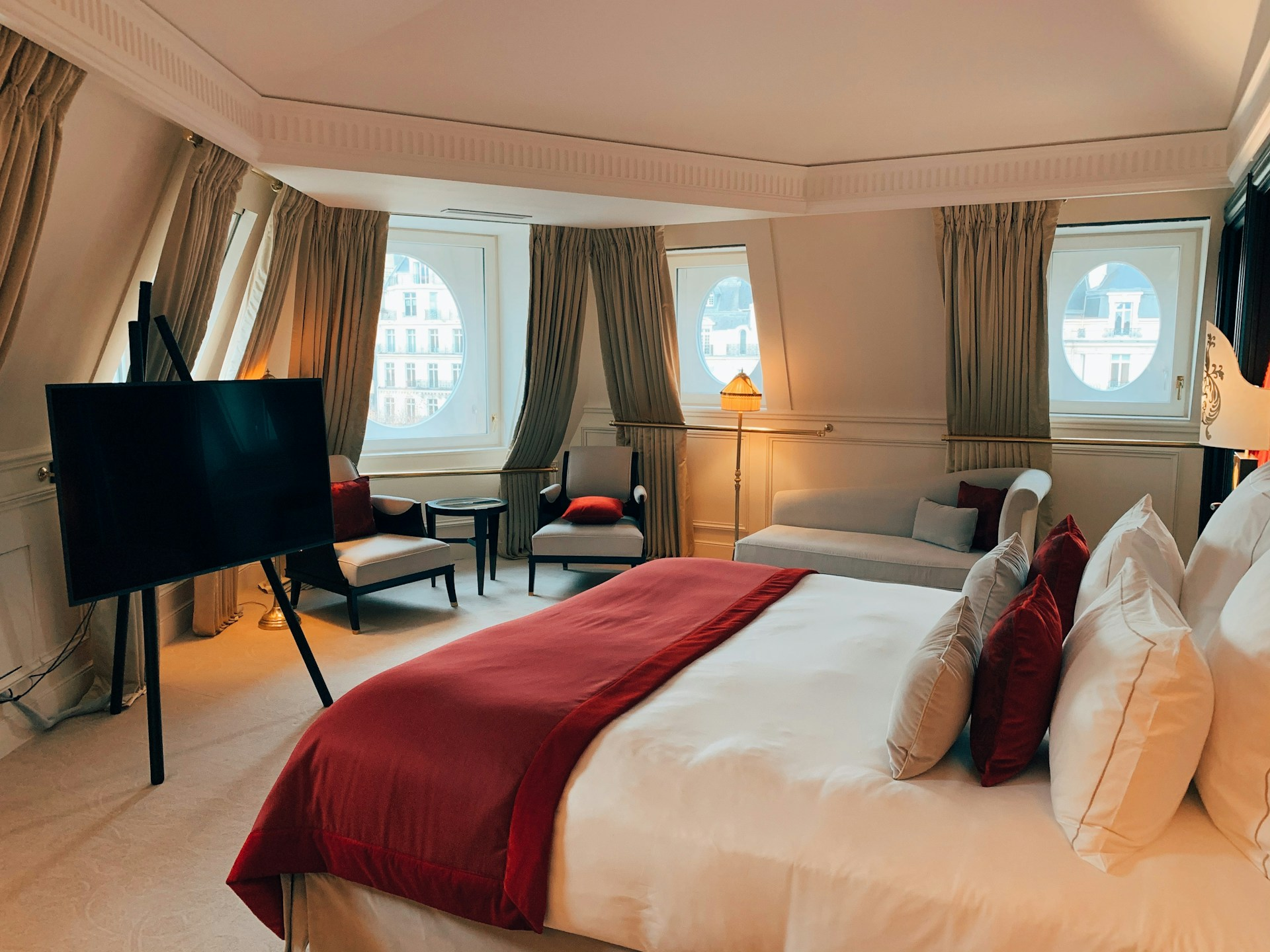
Fresh air depends on clean filters, clear exhaust paths, and balanced humidity. Too much moisture encourages musty smells and mold risk. Air that is too dry can make guests feel scratchy and uncomfortable. Many properties aim for moderate humidity, regular HVAC servicing, and low-residue cleaning products.
Scent has a place, but it should be quiet. Some hotels use essential oils in light, room-appropriate notes, such as lavender for rest or citrus near entry areas. Heavy fragrance usually reads as cover-up.

Boutique hotel cleaning standards work best when daily work connects with weekly, monthly, and seasonal jobs.
| Timing | Freshness Task | What It Prevents |
| Daily | Vacuum traffic paths, sanitize high-touch points, and inspect bathrooms | Dust buildup, residue, guest complaints |
| Weekly | Detail baseboards, vents, upholstery edges, and under-bed areas | Hidden lint, stale corners, visible neglect |
| Monthly | Review HVAC filters, deep clean tile, check stains, refresh drapery care | Musty air, mineral buildup, textile odors |
| Seasonal | Schedule deep carpet care, inspect seals, and service HVAC coils | Moisture issues, drafts, uneven temperatures |
This rhythm keeps hotel deep cleaning tips from becoming emergency work. A property that waits for visible grime has fallen behind.

Carpets, rugs, upholstery, and drapes collect what hard surfaces cannot hide. The Carpet and Rug Institute notes that dry soil makes up about 85% of carpet soiling, which makes frequent vacuuming central to carpet care. Hospitality carpet care programs use certified vacuums, low-moisture methods, and hot water extraction.
Commercial carpet cleaning for hotels has to balance cleanliness with room downtime. Over-wetting can create its own odor problem, especially in thick carpet or poorly ventilated rooms. Low-moisture cleaning can help between deeper services, while restorative cleaning removes embedded soil and detergent residue.
Rugs need separate judgment because fibers, dyes, fringe, and backing materials vary. A boutique hotel with wool runners, vintage pieces, or custom lobby rugs may work with an area rug cleaning and repair company rather than treating every textile like wall-to-wall carpet. Professional rug cleaning services can repair edge wear before it looks tired.
Freshness lasts longer in rooms built for maintenance. Raised furniture exposes more floor area to light and vacuuming. Closed storage cuts down on visual clutter. Durable stone, sealed wood, washable wallcoverings, and simple upholstery lines make quick cleaning more reliable.

Flowers, greenery, and soft decorative details still have a role. The key is restraint. A room can decorate with flowers without crowding every surface or blocking housekeeping access.
Lighting changes what guests perceive. Warm, even lighting makes fabrics look comfortable, while good vanity lighting helps bathrooms feel clear and sanitary. Dim corners do the opposite.
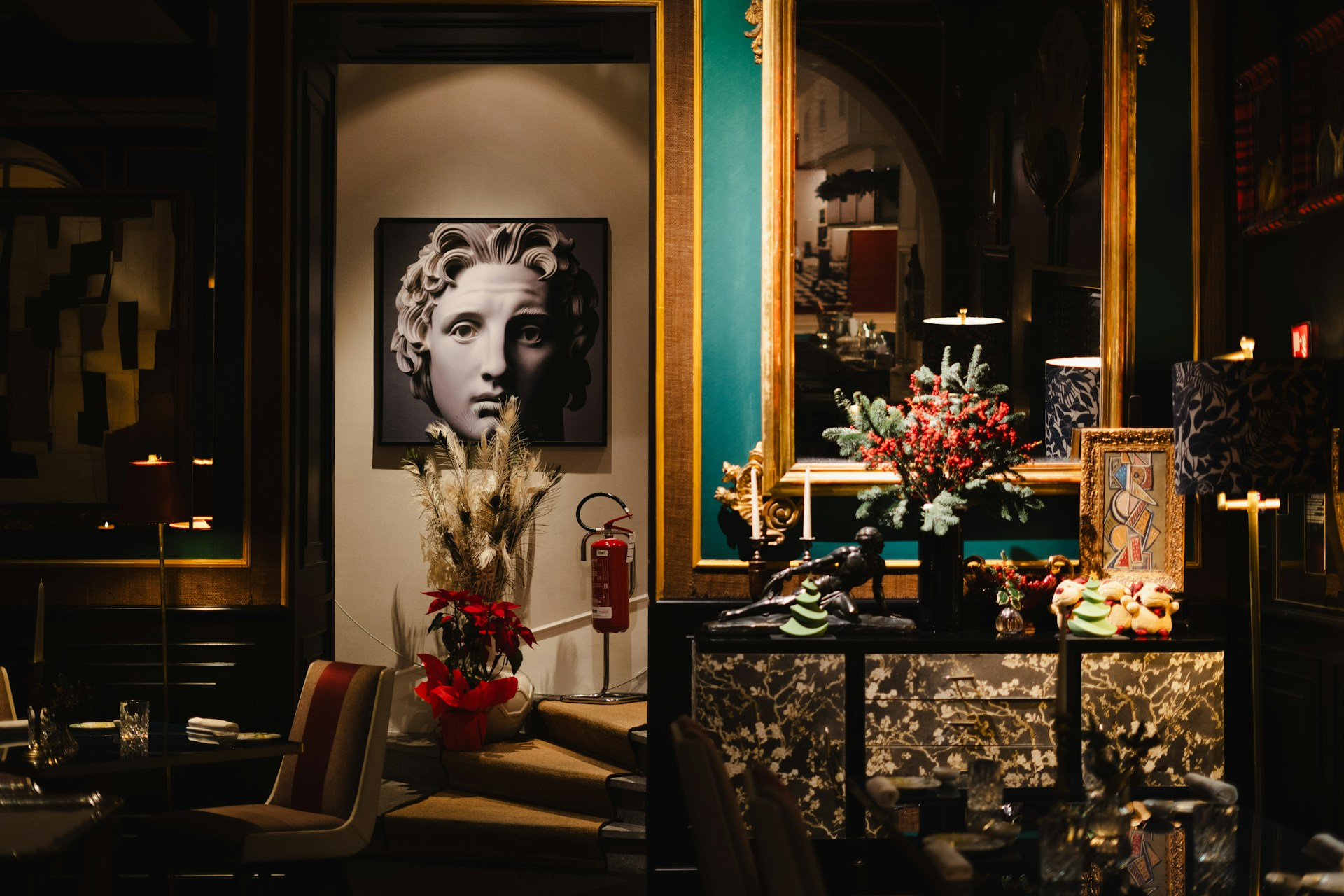
Deep cleaning works best when staff catch small defects early. Many boutique properties track patterns instead of reacting to one complaint at a time.
These records keep freshness practical. They help managers decide where labor, training, and outside cleaning support should go.

Boutique hotels keep that fresh feeling through steady, specific work. The room smells clean because air moves well. The carpet feels clean because dry soil is removed before it settles. The bathroom looks clean because moisture is managed before stains show. The design feels calm because clutter has fewer places to gather.
Good freshness never depends on one big clean. It comes from careful routines, staff training, seasonal maintenance, and textile care that respects the materials