
The Luxury Travel Magazine
The Luxury Travel Magazine


Travel has traditionally been associated with busy itineraries, sightseeing checklists, and the desire to fit as many experiences as possible into a limited amount of time. While that style of vacation still appeals to many people, an increasing number of travelers are taking a different approach. Instead of returning home exhausted, they want to come back feeling rested, refreshed, and physically recharged.
This shift has fueled the popularity of recovery-focused travel, where relaxation and overall well-being become central parts of the experience rather than occasional breaks between activities. Whether the destination is a quiet beach, a mountain retreat, or a peaceful countryside resort, travelers are recognizing that slowing down often creates more meaningful and memorable journeys.

Recovery-oriented travel often starts well before departure. Rather than focusing solely on flights, hotels, and sightseeing plans, travelers increasingly think about how they can maintain healthy routines throughout the trip. Preparing comfortable clothing, planning time for quality sleep, and bringing familiar wellness essentials all contribute to a smoother travel experience.
Many people also take time to review products that already support their daily routines before packing. Some choose to browse Medterra while organizing wellness items that fit naturally into their lifestyle. By preparing in advance instead of improvising after arrival, travelers can settle into their destination more comfortably and spend less time adjusting to unfamiliar surroundings.
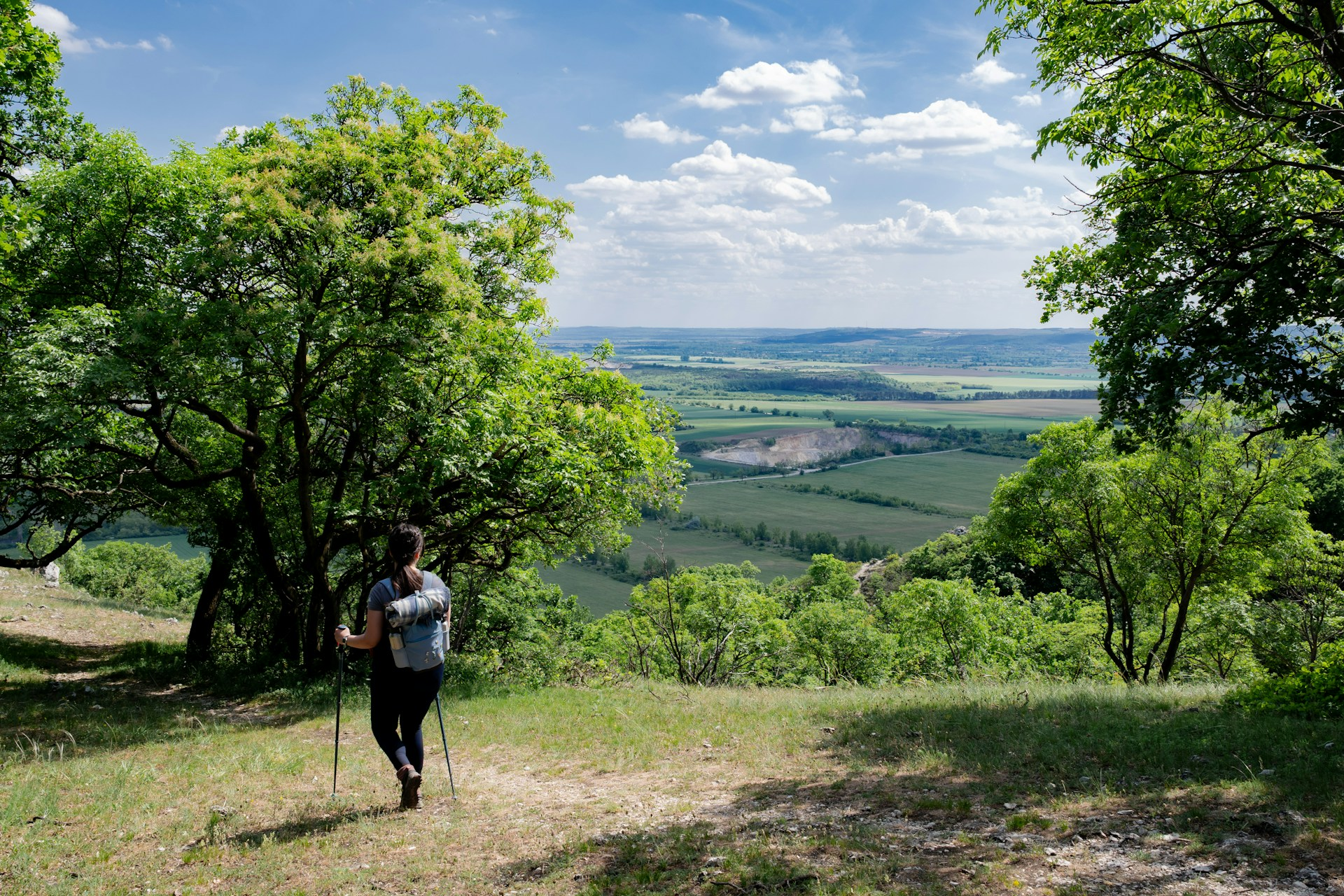
For years, vacations were often measured by how many attractions someone managed to visit in a short period. Today’s recovery-focused travelers are beginning to value quality over quantity. Spending an entire afternoon exploring one neighborhood or relaxing beside a lake often creates stronger memories than rushing through multiple attractions in a single day.
This slower pace also reduces many of the pressures commonly associated with travel. Without constantly checking schedules or racing between reservations, travelers have more opportunities to notice local culture, interact with residents, and enjoy spontaneous moments that rarely appear on traditional itineraries.
Research into wellness tourism suggests that many travelers are actively seeking destinations and experiences that support mental well-being, physical recovery, and stress reduction alongside recreation. This broader definition of travel reflects changing priorities that place long-term wellness alongside adventure and entertainment.

No single recovery routine works for everyone. Some people feel refreshed after hiking through nature, while others recover best by reading beside a pool, enjoying spa treatments, practicing meditation, or simply getting uninterrupted sleep for several nights.
As people personalize these routines, they often research products that align with their own preferences and lifestyle. . Recovery-focused travel is successful precisely because it allows individuals to create routines that match their own needs instead of following a universal formula.

Many of the most effective recovery habits require very little effort. Staying hydrated during flights, stretching after long periods of sitting, maintaining consistent sleep schedules whenever possible, and allowing time for nutritious meals all help travelers feel energized throughout their journey.
Taking short breaks between activities also prevents physical and mental fatigue from accumulating over several days. Instead of treating downtime as wasted time, recovery-focused travelers recognize that these quieter moments help them appreciate the experiences that follow.
Even something as simple as beginning each morning without immediately checking emails or social media can contribute to a greater sense of relaxation. By creating intentional pauses throughout the day, travelers often find themselves becoming more present and engaged with their surroundings.

One of the biggest advantages of recovery-focused travel is that its benefits do not have to end when the trip is over. Many travelers discover habits during vacation that naturally become part of everyday life once they return home. Better sleep routines, regular walks, mindfulness practices, and healthier approaches to managing stress often continue long after the suitcase has been unpacked.
Recovery-focused travel ultimately demonstrates that memorable vacations are not always defined by constant activity. Creating space for rest, maintaining familiar wellness habits, and embracing a slower pace often allows travelers to enjoy destinations more fully while returning home feeling genuinely renewed. Rather than viewing relaxation as something earned after an exhausting itinerary, more people are making it the purpose of the journey itself, transforming travel into an experience that supports both immediate enjoyment and lasting well-being.