
The Luxury Travel Magazine
The Luxury Travel Magazine
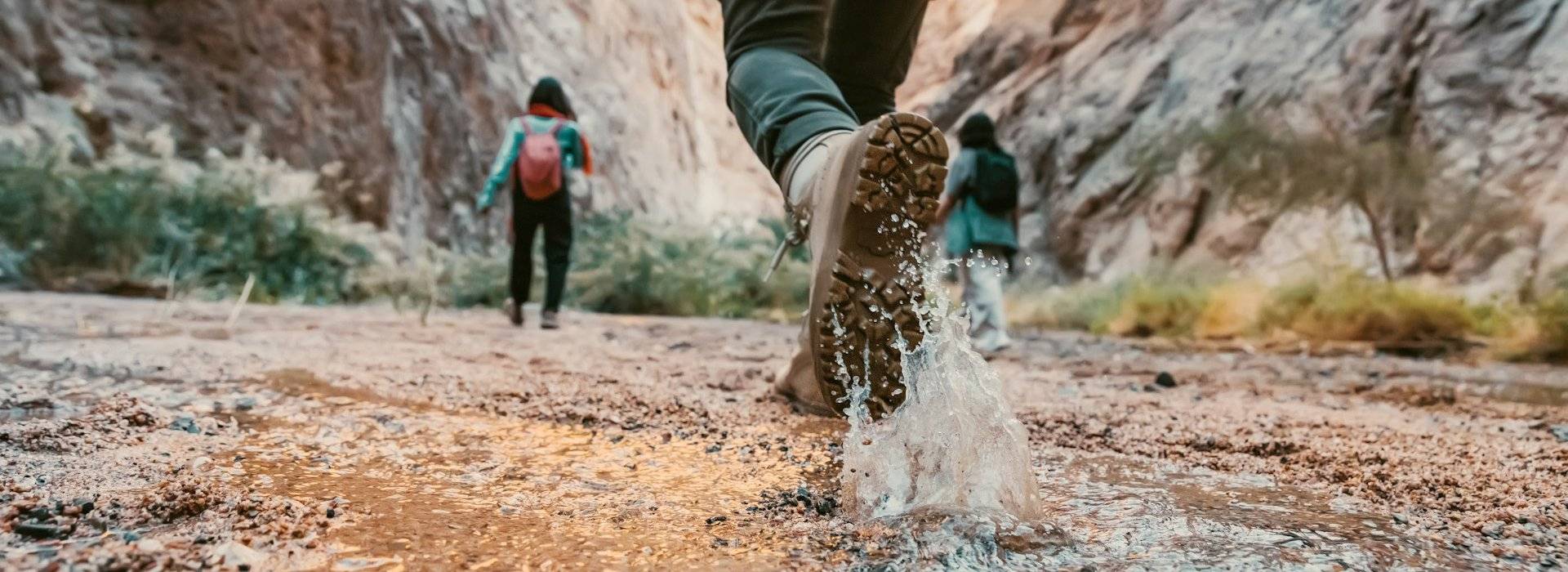
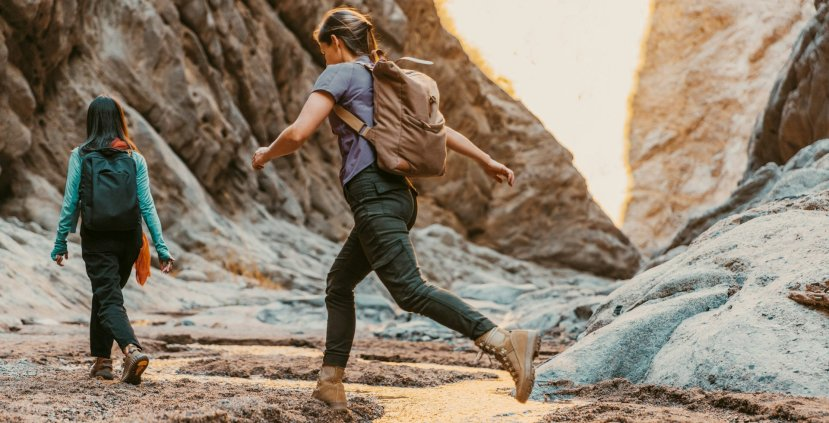
Guided trekking tours can be an incredible way to explore remote landscapes while learning from people who know the terrain well. Many hikers choose guided trips for the structure, support, and cultural insight they provide. Even with those advantages, understanding how these tours operate and the types of challenges that may come up helps you stay safer and more confident on the trail.

Hiking with a guide appeals to travelers who want a structured experience without having to handle every detail themselves. A guide often knows local conditions, seasonal shifts, and the kinds of viewpoints that hikers would miss on their own. Group treks can also create a sense of shared purpose, especially for people who enjoy meeting others who love the outdoors.
Even with these benefits, a guided trip still requires awareness. The weather can change during the same hour in many mountain regions. Steeper or uneven stretches can slow the group and change how the day unfolds. Group dynamics can also influence pacing and decisions. Keeping these factors in mind helps you approach guided adventures with a clearer sense of what to expect.

Every hiking route comes with challenges, and guided tours are no exception. Trails often gain or lose elevation quickly, and rocky or wet surfaces require careful footing. Alpine weather sometimes shifts with little warning, which can change visibility or temperature fast enough that guides need to adjust the plan.
Gear supplied by tour companies is helpful, but its condition varies. Trekking poles or crampons might have seen many seasons of use. A quick check before the first day gives you the chance to ask for replacements if something feels unreliable.
Pacing is another factor. A group rarely moves at the same speed, so a skilled guide balances breaks and walking time in a way that works for everyone. If the pace feels too slow or too fast, speaking up early helps the guide understand what the group needs.
For hikers who want additional context about common hazards and smart habits, REI’s hiking safety advice offers approachable guidance for many outdoor situations.

The right company shapes the entire experience. A good starting point is to check whether the guides are trained in first aid, mountain environments, or the specific region you plan to hike. Many reputable operators list their certifications, which gives you a clearer sense of how prepared they are for the terrain.
Reviews often reveal details that companies do not mention directly. Comments about communication, pacing, and the guide’s decision-making can tell you a lot about how a tour is run. Mentions of worn equipment or confusion during the trek should prompt questions before booking.
A responsible operator explains daily expectations, gives clear difficulty ratings, and offers guidance on weather or terrain changes. When a company answers your questions directly, it reflects an organized and thoughtful approach to running tours.

Training improves comfort and reduces fatigue, especially during multi-day adventures. Regular hikes, stair climbing, and strength exercises help your legs and core handle long days with a full pack. Testing your own gear makes a big difference, too. Wear your boots on short outings, adjust your pack, and check how it feels after a few hours.
Before the tour begins, review the packing list carefully. Some operators supply helmets, hiking poles, or other equipment. If you rely on their gear, ask whether it has been inspected or replaced recently. Knowing that your equipment is dependable can help you focus fully on the experience.

Once the trek begins, communication becomes one of the most effective safety tools. Let your guide know if something feels uncomfortable, whether it is rubbing on your heel, tightness in your legs, or equipment that needs adjusting. Small issues can turn into bigger ones if ignored for too long.
Staying hydrated and pacing yourself helps your body manage the demands of long days. Trails might involve loose gravel, steep climbs, or narrow sections that require steady focus. Good guides pay attention to these factors, but they also rely on hikers to speak up when they need a slower pace or a quick break.

Even well-organized tours can face unexpected challenges. A hiker might slip on uneven terrain. A strap may break at an inconvenient moment. A guide might choose a route that feels too challenging for part of the group. When something happens, taking a moment to assess the situation gives you a clearer sense of what to do next. A guide should help stabilize the issue, explain your options, and help you decide whether to continue.
If an injury occurs, especially one linked to worn equipment or a decision made during the trek, take notes once you are off the trail. Details about the conditions, location, and what led up to the incident are often useful later. Some travelers choose to pursue a soft tissue damage claim once they return home if the injury becomes more serious than they expected. Photos and written details help you recall what happened if you speak with a medical professional or the tour company afterward.
Clear communication during the trek often prevents situations from becoming more serious, and addressing concerns early supports a safer experience for everyone involved.

Certain issues only appear after the trek ends. Muscle soreness is normal, but discomfort that persists longer than expected can signal a need for attention. Rest plays an important role here, and a medical check may be helpful if anything feels unusual.
If the incident involved gear provided by the tour company or a choice made during the trip, write down the details while you still remember them clearly. Notes, photos, and the sequence of events help you describe what happened if you contact the operator.
When you feel ready to move again, gentle strength work often supports recovery and helps you prepare for future hikes. Many trekkers find value in routines like those shared in this strength training guide for hiking. Starting slowly gives your body time to adjust and helps you feel ready for your next adventure.

Guided trekking tours offer an incredible way to explore new landscapes with the support of people who understand the region well. Learning how to prepare, choosing a reliable operator, and speaking up on the trail all contribute to a safer experience. A thoughtful approach makes it easier to enjoy the scenery, the people you meet along the way, and the satisfaction of completing a meaningful journey.