
The Luxury Travel Magazine
The Luxury Travel Magazine
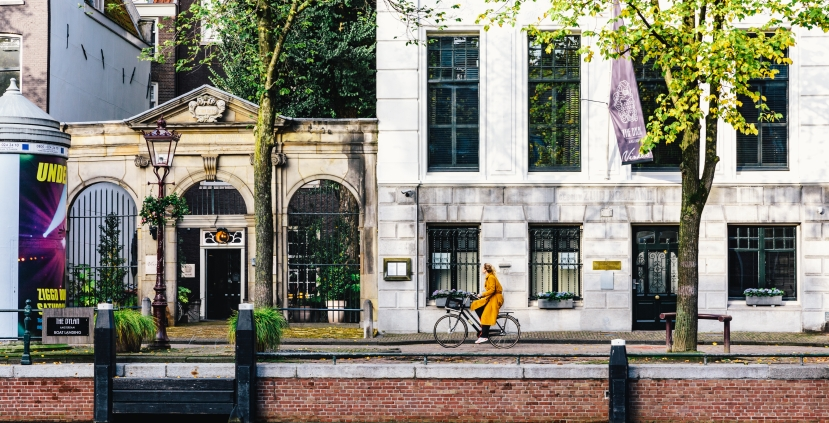
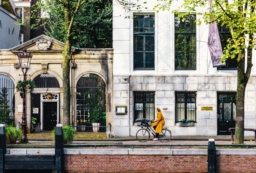
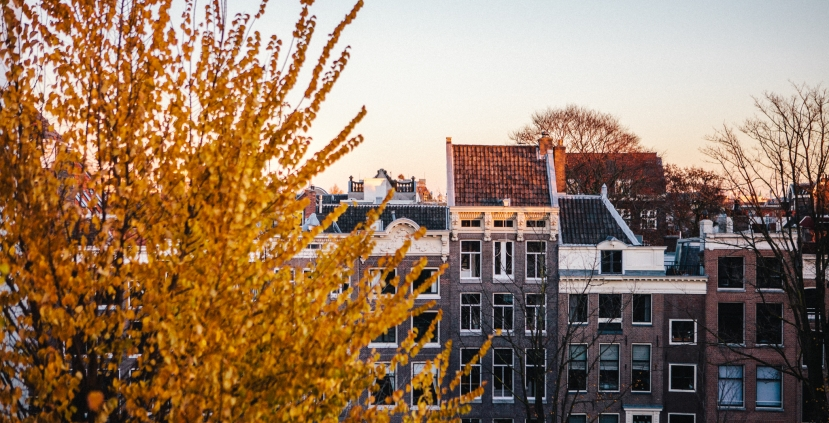
Amsterdam’s canal views are positively radiant when the weather is sunny and mild. It is easy to grab a postcard-perfect photo from the bridges, especially those connecting the “Nine Streets,” one of the city’s most innovative districts. However, there is something about the 41-room and suite Dylan Amsterdam that also makes it particularly gorgeous in late fall under cloudy or partly cloudy skies. You are drawn in with a perfect alchemy of sensory details: intentional arrangement of contemporary artwork and furniture in rich textiles, firelit warmth, and strategically placed bowls of cookies or candy. At certain times of day, aromas emanating from its Michelin-star-rated Restaurant Vinkeles or the casual Bar Brasserie OCCO prove equally enticing.
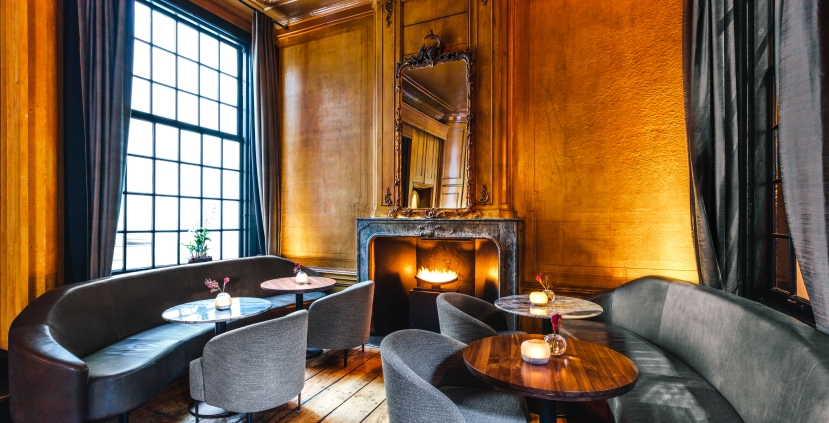
Even with vibrant hits of deep teal, claret red, and gold in the art and furniture, the bones and foundation reflect the city’s fascinating architectural history and the people who occupied the space at different times. If time allows for only one museum, even with the Van Gogh Museum and Rijksmuseum a short walk or tram ride away, Director of Operations Sam Hilkens suggests the Rembrandt House near Amsterdam Centraal Station. The artist’s former home and studio is intimate and narrow yet broadened through objects reflecting a mix of refined taste and pragmatism. With attention to detail and storytelling found in both buildings, the recommendation makes perfect sense.
Dutch Master Rembrandt van Rijn, in fact, has a compelling direct connection to the Dylan Amsterdam. He frequented the Duytsche Academie/Schouwburgh, a theater built on the site that operated between 1638 and 1772, the year it burned down. While the original gate still stands where guests enter today, so does the legend of Rembrandt sketching the actors appearing in its productions. It is also said that he integrated elements of the lighting, costumes, and accessories used in the shows for his productions. Antonio Vivaldi visited in 1732 to conduct the theatre’s orchestra, and other luminaries passing through the famed gate included the Prince of Orange, the Russian Tsar, and the Elector of Brandenburg.
More practical buildings were built on the land, and for the next 250 years, they were occupied and operated by the Roman Catholic Church. In 1999, the property enjoyed a renaissance as a luxury boutique hotel, and in 2004, re-emerged as The Dylan Amsterdam. Although the aesthetic and historic aspects of The Dylan Amsterdam solidify its niche as a destination hotel that embodies the city’s character, its restaurants have made it a mainstay among residents seeking an elevated version of home dining or innovative cuisine that reflects Amsterdam’s enduring reputation as an international city shaped by the cultures the Netherlands touched in past eras.
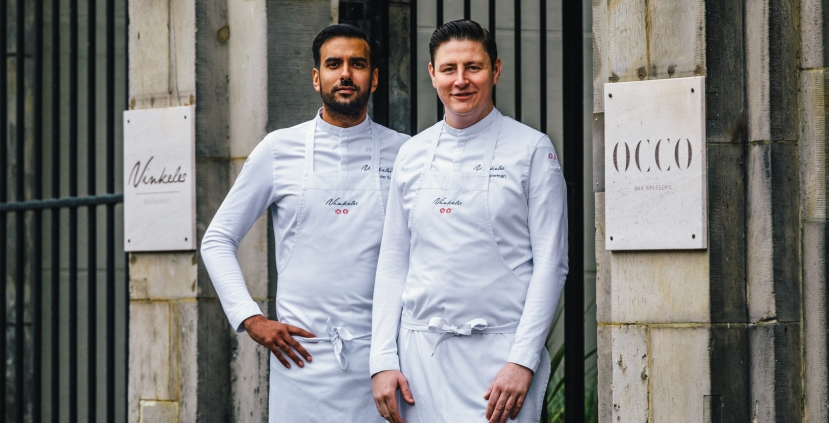
Reservations at Restaurant Vinkeles are coveted as the restaurant received Michelin stars in 2009 and 2023. Tucked into a building that once housed a bakery, Executive Chef Jurgen van der Zalm uses the space as a stage for his distinctive take on French cuisine, blending classic and contemporary techniques and ingredients sourced from local purveyors. While the ‘Chef’s Signature Menu’ focuses on whatever is in season or perfected technique, individual selections also stand out on their own with thoughtfully paired and presented wines.
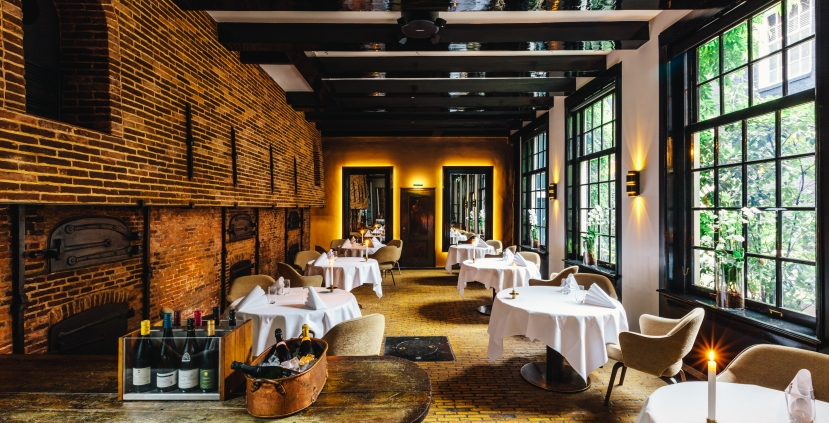
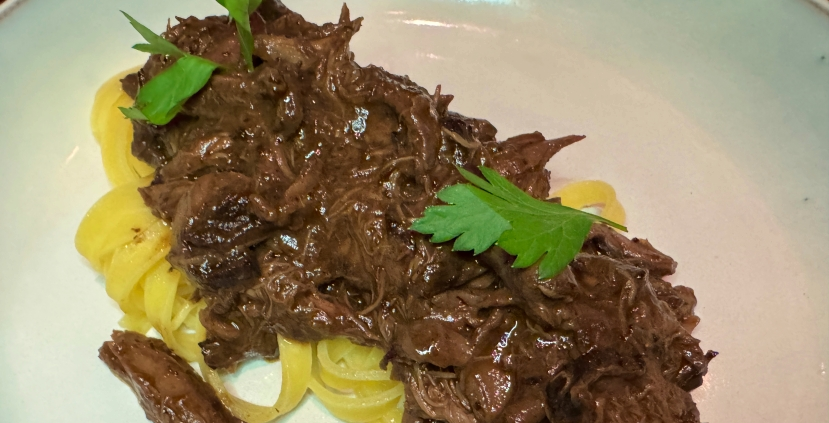
Bar Brasserie OCCO is more casual, with a whimsical theater-themed menu outlining classic brasserie staples and a handful of international dishes well-suited to Amsterdam’s cooler climate. There is a three-course set that allows guests to sample some of the more creative things coming out of the kitchen. To temper the early December chill, courses included a velvety Celeriac soup with pheasant leg confit; a modern and refined take on Hazenpeper atop tagliatelle; a side of crispy Brussels sprouts roasted with bacon and gingerbread bits; and a pineapple cake with dulce de leche and unexpected hits of spice via rosemary and Szechuan pepper.
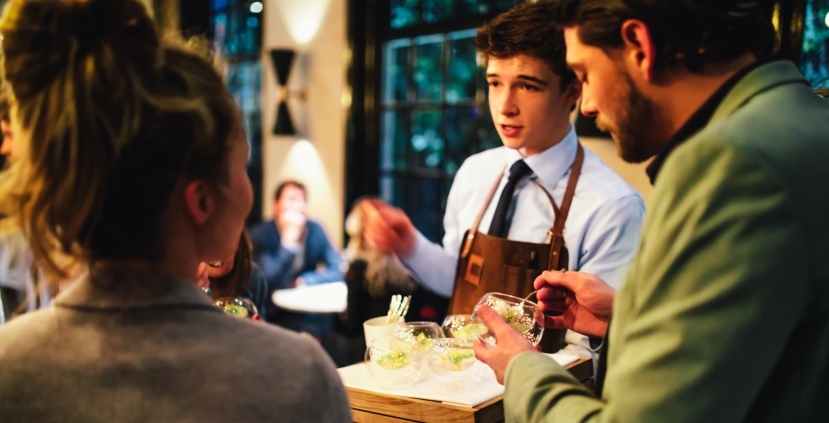
The menu’s theme approach also makes ordering something from the cocktail or mocktail list fun. Hilkens is particularly proud of the bar’s “Matured Negroni,” made with small-batch ginever rather than gin and aged in an oak barrel. Lighter cocktails, such as the clean, refreshing “Aphra Behn,” with gin, Cava, Orange Curacao, and housemade citrus shrub, are made with the same care and craftsmanship.
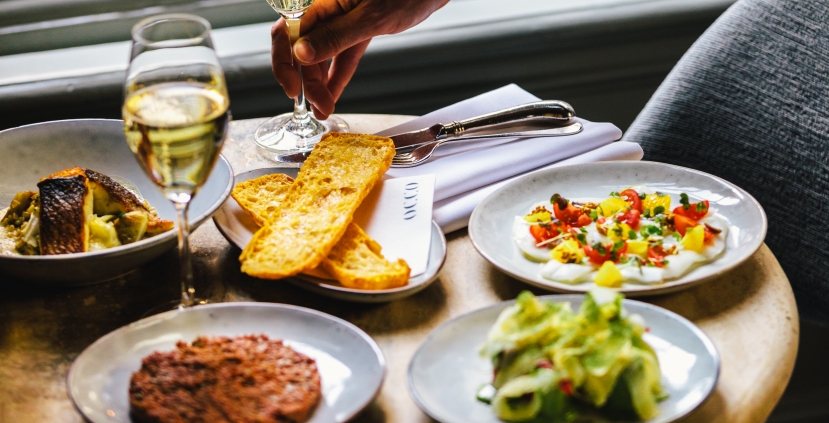
The lounge adjoining OCCO envelops customers in a rich palette of colors and accents Rembrandt would appreciate. While it is a natural for a post-check-in glass of wine or a cup of tea and sweets following a museum visit, the hotel’s “High Wine” has earned top marks from hotel guests and regulars for turning high tea on its head. The tasting of four wines with matching bites in an amuse style can be ordered, pre-ordered, or presented as a gift in an ornate box. During the warmer months, service expands into the property’s secluded garden, which can also be rented for private events and business gatherings. Hilkens mentioned that people working in and around the “Nine Streets” have made it their go-to place for elevated everyday lunches, happy hours, and date nights. My experience at the hotel’s restaurants reflected this.
While Hilkens points out that this hotel, a proud member of The Leading Hotels of the World, has undergone a three-year renovation project that integrates sustainability and modern luxury, it remains a work of art in progress. Going into 2026, plans are underway to upgrade the in-hotel gym, bathrooms, and additional rooms in different sections of the hotels.
“We try to keep on renovating every year through subtle adjustments to improve our rooms, public areas, gym, reception area, and the lounge,” Hilkens explains, also mentioning the management’s longtime relationship with Studio Linse. “Rather than redoing everything every few years, we prefer to keep innovating and refreshing things continuously so guests can continue to enjoy the hotel without interruption. Sustainability and energy efficiency also play roles in our decisions. We also need to be mindful of changing technologies in the rooms that guests like.”
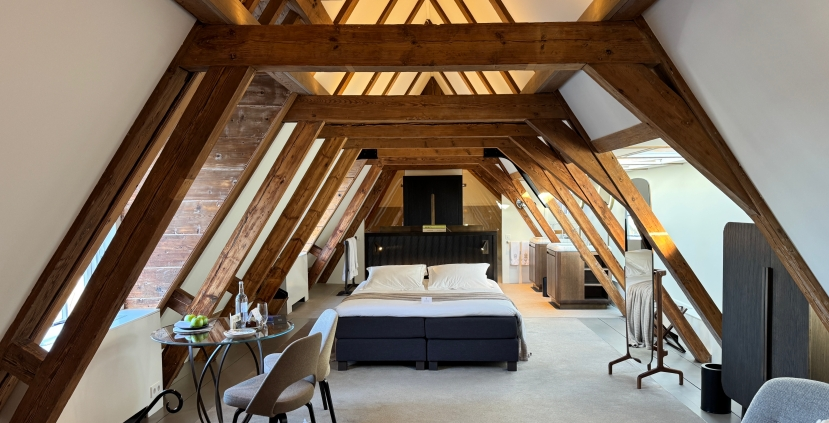
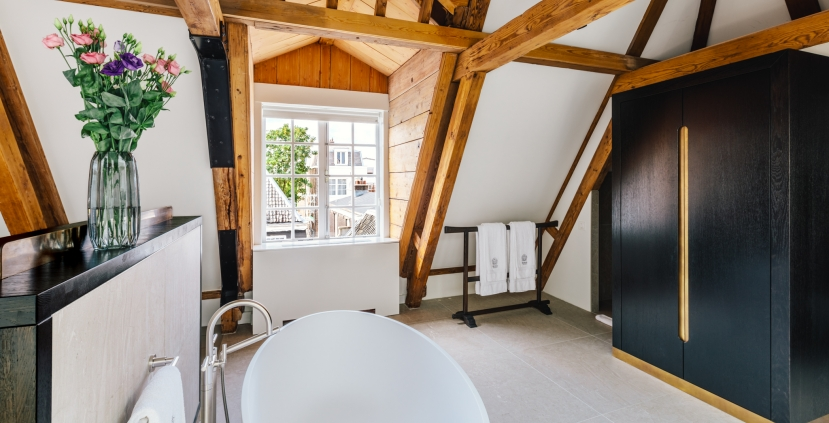
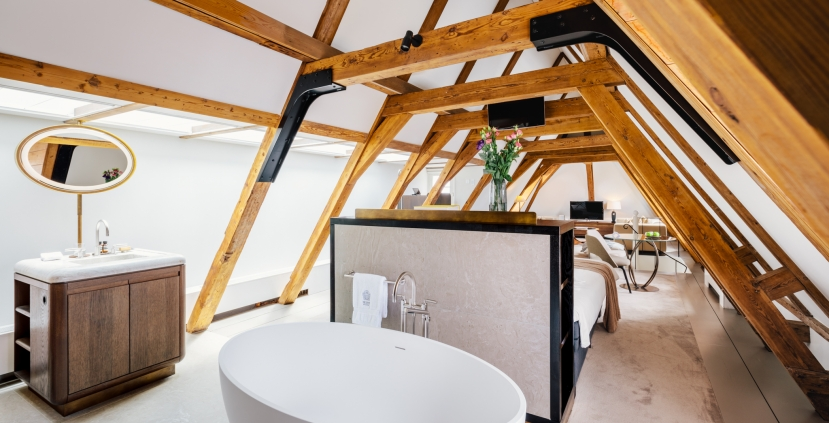
The Dylan Amsterdam’s nine room types are split among four categories, “Amber,” “Loft,” “Loxura,” and “Serendipity,” defined by the architecture of each building within the property. My “Superior” suite in the “Loft” section of the main building was appointed with a stand-out front door and a narrow stairway that gives the room a residential feel. The neutral color scheme, high ceilings, and wood beams nicely frame its minimalist furnishings and strategically positioned windows, allowing sunlight to pour in on sunny days. Creature comforts included a B&O sound system, an Illy espresso maker, a small box of house-made wine gummies, and Aesop bath amenities with warm, woody aromas perfectly matched with the vibe of the property as a whole. Essentials such as charging stations and outlets were built into hidden shelving on the queen-sized bed’s headboard. A fresh-baked cookie–a part of the hotel’s “turndown ritual”– is thoughtfully placed on the shelf next to the discreetly positioned phone chargers.
The conversation then turned to the “Serendipity” rooms, initially designed by Dutch interior designer Remy Meijers but later refreshed and updated by Studio Linse in early 2025. Interiors are bathed in soft browns and greys intended to echo the city’s embrace of its past and future and frame picturesque views of the Keizersgracht canal. Luxurious fabrics and the generous layout contribute to a balance of temporary design that remains true to its heritage and the built-in charm of the rooms. The “Loxura” rooms, designed by the firm FG Stijl, frame the hotel courtyard. The overall visual effect is informed by the Loxura butterfly’s naturally coppery hues. Richly upholstered furnishings and accents in pastel shades surround a wooden minibar cabinet designed exclusively for the property. The “Amber” rooms and suites, built and launched in 2023, like the Loft rooms, have a residential personality and an extra sunlit effect using amber hues integrated into the design.
“We try to make everything as personal as possible, from the welcome tea and snack at reception after check-in to those extras in the rooms and suites,” said Hilkens when asked about the design approach and the attentiveness of the staff. “The personal service adds to the Dylan experience, and we set out to make it at once recognizable, welcoming, and informal yet unquestionably luxe.”
All photos courtesy of The Dylan Amsterdam